Explore the Thrilling World of 3D Food Printers for Culinary Innovation
What Functions Does a 3D Food Printer Perform?
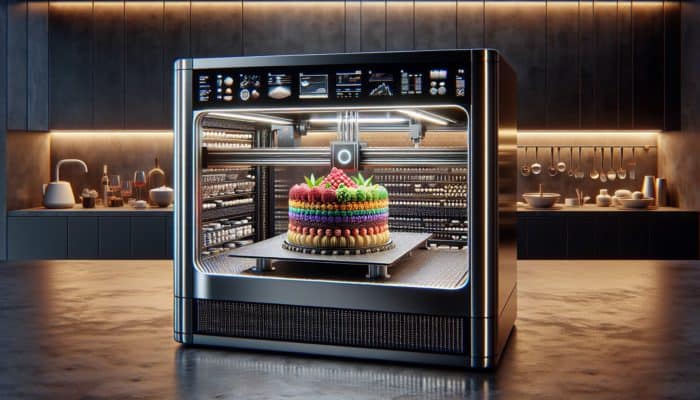
A 3D food printer represents a groundbreaking culinary device that allows users to craft edible creations by layering ingredients in a precise manner, utilising specially designed materials tailored for food printing. This state-of-the-art technology invites chefs and home cooks alike to experiment with an array of recipes and artistic presentations directly from the convenience of their kitchens. With the capability to personalise flavours and textures, individuals can cater meals to their specific tastes, enriching the overall dining experience. Nevertheless, it is crucial to uphold stringent safety protocols to guarantee that the food produced is both delectable and safe for consumption, providing peace of mind to all participants in this exciting culinary journey.
Essential Components of a 3D Food Printer You Must Understand
The core components of a 3D food printer encompass the extruder, which dispenses the food materials, the build plate that serves as the foundation for the layering process, and the software that orchestrates the design workflow. These integral elements collaborate seamlessly to creatively and efficiently produce meals, simplifying home usage when proper assembly and upkeep are observed. Gaining a comprehensive understanding of these components is vital for achieving excellent results in your culinary adventures with food printing, paving the way for delightful and innovative creations that astonish and satisfy.
How Does a 3D Food Printer Operate?
The operation of a 3D food printer revolves around loading chosen ingredients, selecting designs via intuitive software, and diligently monitoring the printing process to ensure even distribution of materials. This meticulous approach aids in achieving consistent results while reducing waste through precise control over printing parameters, fostering an engaging and productive kitchen atmosphere. Mastering these operational techniques lays a robust foundation for successful home food printing, enabling users to unleash their culinary creativity effectively and efficiently.
Effective Steps to Set Up Your 3D Food Printer for Success
How to Create an Ideal Workspace for 3D Food Printing?
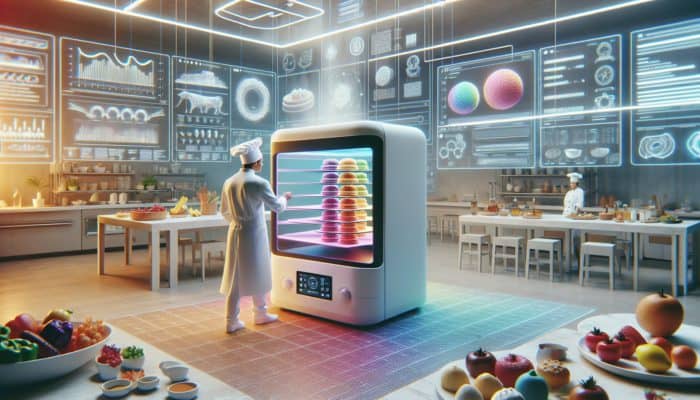
Establishing a suitable workspace is essential for the successful operation of your 3D food printer. Before unpacking the device, ensure that your working area is tidy, stable, and well-ventilated. This foundational setup creates an environment conducive to seamless operation, preventing potential challenges like uneven printing or material spills. Essential tools to have on hand include:
- Cleaning supplies (e.g., cloths, sanitising wipes)
- Leveling tools for adjusting the build plate
- Basic tools for assembly (screwdriver, pliers)
- Food-grade materials for initial testing
By organising a well-structured workspace, you will significantly boost your overall food printing experience, making it more enjoyable and efficient, which is vital for successful culinary adventures that inspire creativity and delight.
What Is the Procedure to Connect Your 3D Food Printer to Devices?
Connecting your 3D food printer to a computer or mobile app is a crucial step that facilitates easy uploads of designs. This connection grants quick access to a vast library of design files, allowing users to initiate printing without hassle. Additionally, addressing any connectivity issues that may arise is essential to ensure reliable performance throughout the printing process. Familiarising yourself with these connections and their troubleshooting methods will significantly enhance your overall printing experience, enabling smoother and more efficient operation.
What Initial Testing Steps Should You Follow After Setup?
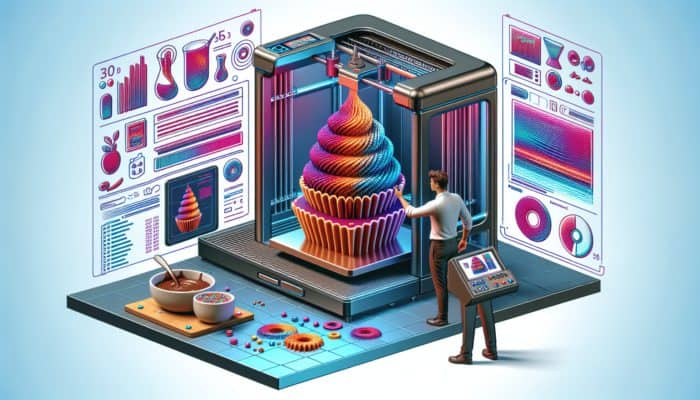
Once you have set up your 3D food printer, performing a simple test print is vital to confirm that all functions operate correctly. This initial test serves as a means to identify any adjustments needed to enhance accuracy and efficiency during regular use. By consistently conducting this step, users can fine-tune their settings and ensure that the printer is always primed for optimal performance, leading to gratifying results in food printing that impress and satisfy.
Proven Strategies for Maximising Your 3D Food Printer Usage at Home
What Advanced Design Techniques Can You Implement?
To create intricate food structures, mastering advanced design techniques is essential. Begin by exploring software that supports complex designs, such as CAD programs specifically tailored for food applications. Real-world examples of successful prints, including detailed cake toppers or elaborate pasta shapes, highlight the immense potential this technology presents. Users can enhance their skills by replicating such designs, gradually building a portfolio of innovative food creations that push the boundaries of traditional cooking and spark culinary exploration.
How Can You Optimise Print Settings for Exceptional Results?
Optimising print settings is crucial for achieving high-quality output with your 3D food printer. Adjusting parameters such as print speed and temperature is vital for enhancing the consistency and overall quality of your prints. Understanding how various materials, such as chocolate or dough, react to these settings can significantly influence the final product. Experimentation is key; therefore, documenting changes and their outcomes will be advantageous for fine-tuning your approach over time, ultimately leading to superior results that impress and delight.
How to Effectively Troubleshoot Common 3D Food Printer Issues?
Every 3D food printer user will eventually encounter challenges, such as misalignment or uneven printing. Real-life examples of these common issues can serve as guides for users in effectively resolving them. For instance, if misalignment occurs, checking the build plate level and recalibrating the printer often rectifies the problem. Familiarising yourself with these troubleshooting steps not only saves time but also enhances the reliability of your food printing setup, resulting in smoother operation and improved outcomes that meet expectations.
Discovering the Major Advantages of Using 3D Food Printers
How Does 3D Food Printing Enhance Meal Creativity?
One of the most significant benefits of using a 3D food printer is its capacity to elevate meal creativity. This advanced technology enables the creation of personalised food designs that transform the dining experience into an exciting adventure. By experimenting with various shapes, ingredients, and flavour combinations, users can craft dishes that are not only visually stunning but also tailored to individual preferences—something that traditional cooking methods often cannot achieve. This level of culinary innovation transforms mealtimes into artistic expressions, enhancing the excitement at the dining table and promoting a love for food.
In What Ways Does 3D Food Printing Boost Kitchen Efficiency?
Integrating a 3D food printer into your kitchen can significantly enhance efficiency. Users can save valuable time by automating meal preparation, reducing the amount of prep work and minimising food waste. Precise portion control ensures that meals are consistently sized, promoting healthier eating habits. This newfound efficiency aligns with busy lifestyles, making it easier to maintain a nutritious diet without compromising on time or quality in food preparation, which is essential in today's fast-paced environment, ultimately contributing to a healthier way of living.
How Can 3D Food Printing Support Dietary Customisation?
The versatility of a 3D food printer extends to dietary customisation, making it an invaluable tool for accommodating various dietary needs. It easily adapts to different requirements, offering options for allergen-free meals or specific nutritional profiles tailored to individual health goals. This capability is particularly beneficial for individuals with dietary restrictions or those looking to enhance their overall nutrition. By customising ingredients and experimenting with various combinations, users can create meals that align with their health objectives, leading to greater satisfaction and adherence to dietary plans that promote well-being.
Evidence-Based Benefits of Using 3D Food Printers in Your Kitchen
What Nutritional Advantages Does 3D Food Printing Offer?
Utilising the precise control over ingredients afforded by a 3D food printer can significantly enhance the nutritional value of meals. By effectively incorporating vitamins and minerals into the designs, users can create dishes that are both visually appealing and beneficial to their overall health. This approach facilitates smarter meal planning, ensuring that essential nutritional needs are met without sacrificing flavour or presentation, which is critical for maintaining a healthy lifestyle and encouraging a balanced diet.
What Sustainability Advantages Are Associated with 3D Food Printing?
The sustainability of using a 3D food printer is noteworthy and merits careful consideration. By reducing food waste through precise printing, users can engage in eco-friendly practices that lessen their environmental footprint. For example, users can creatively utilise leftover ingredients that might otherwise be discarded, fostering a more sustainable kitchen environment. This practice not only benefits the planet but also encourages innovative uses for food that would typically go unused, promoting a responsible approach to cooking that respects our resources.
How Does 3D Food Printing Enhance Health and Wellness Integration?
Incorporating a 3D food printer into daily routines can significantly strengthen health and wellness goals. The ability to control portion sizes enables users to manage their food intake effectively, aiding in weight management and promoting healthier eating patterns. Research indicates that customised diets, facilitated by such innovative technology, can lead to positive health outcomes. To promote optimal health, consider the following strategies:
- Incorporate a variety of ingredients for balanced nutrition.
- Experiment with different textures to enhance meal enjoyment.
- Focus on portion control to assist in weight management.
- Utilise seasonal ingredients for freshness and flavour.
Implementing these strategies ensures that users not only enjoy their meals but also contribute positively to their overall well-being, encouraging a healthier lifestyle that supports long-term health goals.
How Can 3D Food Printing Personalise Meals for Dietary Preferences?
A 3D food printer empowers users to design customised meal creations tailored precisely to specific dietary needs, including allergies or cultural diets. This level of personalisation enhances user satisfaction and compliance with nutritional standards within home environments. The ability to experiment with various ingredients opens up a broader spectrum of flavours and textures, ensuring that meals are not only nutritious but also delightful. This degree of customisation represents a significant advancement for individuals adhering to specific dietary guidelines, promoting enjoyment and adherence to healthy eating practices.
What Time-Saving and Convenience Benefits Does 3D Food Printing Provide?
Studies on modern meal preparation reveal that 3D food printers can dramatically streamline cooking processes. By automating various tasks, busy households can save valuable time while still maintaining meal quality. This convenience enables users to seamlessly integrate healthy eating into their schedules without effort. The ability to prepare elaborate dishes swiftly makes home cooking more manageable, encouraging families to enjoy home-cooked meals without the usual time constraints, leading to more satisfying dining experiences that foster connection and joy.
Understanding the Process Behind 3D Food Printing
How Does the 3D Food Printing Process Work?
The process of 3D food printing involves layering materials according to digital models, ensuring accurate replication of intricate designs. This technique provides the opportunity to create elaborate shapes and detailed food structures that are visually stunning. Each layer is meticulously deposited, gradually building the final product. The precision inherent in this method leads to consistent food output, making it a reliable approach for both novice and experienced home cooks aiming to elevate their culinary creations to extraordinary levels.
What Software and Design Tools Are Essential for 3D Food Printing?
Essential software and design tools for 3D food printing include a variety of applications that assist in creating and editing designs. These tools range from beginner-friendly programmes to advanced CAD software, catering to users of all skill levels. Their intuitive interfaces simplify the design process, encouraging creativity and innovation in food printing. Mastering these programmes is critical for maximising the potential of your food printer, enabling users to transform their culinary visions into reality with ease and finesse.
How to Properly Prepare Materials for 3D Food Printing?
Preparing the ingredients is a critical step in 3D food printing. Proper mixing and loading of materials are essential for achieving the desired texture and flavour in the final prints. Users must ensure that all materials are food-grade and compatible with the specific printer in use. Understanding the properties of various materials, such as their viscosity and melting points, will facilitate successful prints, allowing for a broader range of culinary creations that reflect individual tastes and preferences while ensuring safety and quality in food preparation.
What Role Do Extruders Play in the 3D Food Printing Process?
Extruders are fundamental to 3D food printing, as they accurately deposit materials layer by layer according to digital blueprints. They control the flow of ingredients, such as pastes or gels, creating detailed structures with the desired texture and consistency. This mechanism enhances precision and allows for experimentation with diverse food types, making it a cornerstone of this technology. Understanding the function of extruders is essential for optimising the printing process and achieving remarkable culinary results that showcase creativity and innovation.
What Safety Considerations Are Crucial for 3D Food Printers?
How to Safely Handle Materials in 3D Food Printing?
When using a 3D food printer, prioritising safety by properly handling materials is of utmost importance. Always choose food-grade items and ensure they are stored correctly to prevent contamination. This practice guarantees a hygienic printing environment, which is crucial for everyday use. By diligently adhering to safety protocols, users can minimise health risks and maintain the integrity of their culinary creations, fostering a safe and enjoyable cooking experience for everyone involved in the food printing process.
What Maintenance Routines Are Essential for 3D Food Printers?
Establishing routine maintenance practices is critical for ensuring the long-term safety and functionality of your 3D food printer. Regular cleaning and inspections help to prevent hazards and maintain the device’s performance without unnecessary risks. This routine should involve cleaning the extruder, checking for blockages, and ensuring all components are in optimal condition. Implementing a maintenance schedule will prolong the printer's life and enhance its reliability, ensuring consistent performance over time for successful culinary endeavours.
What Emergency Protocols Should Be Established for 3D Food Printers?
Being prepared for potential issues, such as overheating, is essential for safety when using a 3D food printer. Establishing clear shutdown procedures protects users while extending the lifespan of the printer. Familiarising yourself with emergency protocols and taking proactive measures to mitigate risks is crucial for safe operation. Consider the following safety precautions during operations:
- Maintain a clear and organised workspace.
- Keep the printer away from flammable materials.
- Monitor the printer during operation.
- Have a fire extinguisher nearby as a precaution.
By being proactive, you can enjoy the numerous benefits of food printing while ensuring the safety of yourself and your kitchen environment, creating a secure atmosphere for culinary creativity to flourish.
How to Educate Users on Safety Practices in 3D Food Printing?
Educating users on the safe operation of 3D food printers is essential for minimising accidents and ensuring a secure kitchen environment. This training includes teaching proper handling techniques and raising awareness of potential risks. Regular training sessions, access to safety manuals, and awareness campaigns promoting best practices will enhance safe usage. Empowering users with knowledge ensures they can operate their printers with confidence and care, fostering a culture of safety within culinary practices that protects everyone involved.
What Electrical Safety Measures Are Necessary for 3D Food Printers?
Implementing electrical safety protocols is crucial when using 3D food printers. Users should utilise surge protectors, ensure proper grounding, and keep water away from electrical components to prevent shocks or fires. Regular inspections of cords and plugs are essential for ongoing safety and reliability. By adhering to these measures, users can cultivate a safer kitchen environment while enjoying the creative benefits that food printing provides, making the experience enjoyable and secure for all involved.
Advanced Techniques for Mastering 3D Food Printing
How to Create Custom Recipes Using 3D Food Printing?
Developing custom recipes utilising a 3D food printer allows users to explore unique ingredient combinations, crafting signature dishes that reflect their personal culinary styles. This exploration opens up endless possibilities for creativity during home printing sessions, enabling cooks to transcend the constraints of traditional recipes. By documenting successful experiments, users can refine their recipes and share their culinary innovations with others, fostering a vibrant community of food enthusiasts eager to learn and experiment with new ideas and techniques.
How to Integrate 3D Food Printers with Other Kitchen Appliances?
Integrating a 3D food printer with other kitchen appliances can enhance results and streamline workflows. For instance, combining the printer with blenders or ovens provides greater versatility in preparing complex dishes. This synergy optimises kitchen processes, making it easier to create multi-component meals that impress family and friends. Embracing this integration encourages a holistic approach to cooking, maximising the potential of each tool to elevate the culinary experience to new heights of innovation and delight.
What Strategies Can Be Employed to Scale Up 3D Food Printing Projects?
Users can expand their skills by tackling larger designs while efficiently managing time and resources for more ambitious home projects. Scaling up requires careful planning and consideration of material availability and printer specifications. By gradually challenging themselves with more complex tasks, users can develop their proficiency and confidence, resulting in increasingly sophisticated culinary creations that showcase their growth and expertise in 3D food printing, inspiring others to explore this exciting technology.
How to Innovate with Materials in 3D Food Printing?
Exploring innovative materials for 3D food printing is crucial for enhancing flavour, nutrition, and structural integrity in dishes. Experimenting with plant-based gels or fortified compounds allows users to create more complex and nutritious meals while ensuring safe practices at home. Staying informed about new materials and technologies in the food printing sector will inspire users to continually refine their techniques, broaden their culinary horizons, and elevate their food creations to new heights of deliciousness and visual appeal.
Frequently Asked Questions (FAQs)
What Types of Food Can You Print with a 3D Food Printer?
A wide variety of foods can be printed, including chocolate, dough, pureed fruits and vegetables, and even cheese. The versatility of 3D food printers allows for creative combinations and unique designs that cater to diverse tastes and preferences, making culinary exploration both exciting and enjoyable for everyone involved.
Is 3D Food Printing Safe for Consumption?
Yes, it is safe for consumption, provided that food-grade materials are used and proper hygiene practices are followed diligently. It is imperative to ensure that all components of the printer are clean and that ingredients are stored correctly to prevent contamination, safeguarding the health of users at all times and ensuring a safe culinary experience.
How Long Does It Take to Print Food Items?
The time required to print food items varies depending on the complexity and size of the design. Simple shapes might take only a few minutes, while more intricate designs could take several hours to complete, reflecting the level of detail and craftsmanship involved in the process, which adds to the anticipation of enjoying the final product.
Can You Use Your Existing Recipes with a 3D Food Printer?
Yes, many recipes can be adapted for 3D printing by modifying the ingredients to ensure they achieve the right consistency for extrusion. Experimentation with traditional recipes may be necessary to achieve the desired results, allowing for creative reinterpretations of beloved dishes that everyone can enjoy and appreciate in new forms.
What Maintenance Is Required for a 3D Food Printer?
Regular maintenance includes cleaning the extruder and build plate, checking for blockages, and ensuring that all components are functioning correctly. Following the manufacturer’s guidelines for maintenance is essential for optimal performance, extending the lifespan of your printer and ensuring reliable operations that yield consistently impressive results.
Are There Any Special Software Requirements for 3D Food Printing?
While some printers come with proprietary software, users can also utilise CAD programs and other design tools to create custom designs. Familiarising yourself with user-friendly software is key to maximising the printing process, enabling creative freedom and innovation in food design that enhances the overall cooking experience.
Can You Print Multiple Items at Once with Your 3D Food Printer?
Yes, depending on the size of your printer and the designs being used, it's possible to print multiple items simultaneously. This capability can save time and increase productivity in meal preparation, allowing for efficient cooking and entertaining, making the most of your food printing endeavours while delighting your guests.
What Should You Do If Your Print Fails?
If a print fails, take the time to assess the printer for any potential issues, such as misalignment, material blockages, or incorrect settings. Troubleshooting the problem and adjusting the parameters can often lead to a successful print in subsequent attempts, reinforcing the learning process and enhancing your skills in food printing.
How Do You Choose the Right Materials for Your Printer?
Selecting the appropriate materials depends on the printer's specifications and the desired final product. Always opt for food-grade materials compatible with your printer, and consider experimenting with different textures and flavours to discover new culinary possibilities that excite your palate and inspire your cooking adventures.
Is 3D Food Printing Suitable for Beginners?
Yes, many 3D food printers are designed with beginner-friendly interfaces and come equipped with pre-loaded designs to help users start printing immediately. With practice and experimentation, users can gradually enhance their skills and confidence in food printing, making it an accessible and enjoyable endeavour for everyone, from novice cooks to seasoned chefs.
Join our Facebook community for more tips and tricks!
The post How to Use 3D Food Printers at Home: Tips and Tricks appeared first on https://cookinggods.com
The Article 3D Food Printers at Home: Essential Tips and Tricks Was Found On https://limitsofstrategy.com