Why Is Currency Integral to Effective Travel Planning?
Understanding Currency as a Vital Component for Smooth Travel Experiences

At XamanekBelize, we dedicate ourselves to providing a comprehensive Belize Travel Guide designed to help travellers effectively manage their finances while exploring the breathtaking landscapes and rich cultural heritage of Belize. Our platform, through strategic alliances and travel bookings, equips you with vital insights and tools, ensuring your trip is financially rewarding and stress-free.
We offer expert guidance on essential topics such as currency exchange, <a href="https://limitsofstrategy.com/house-clearance-smart-summer-budgeting-tips-to-save/">budgeting</a>, and holistic financial planning tailored specifically to the unique context of Belize. Our guide covers fundamental aspects such as:
- Understanding the intricacies of the local currency.
- Implementing effective strategies for currency exchange.
- Utilising financial tools for optimal travel finance management.
- Planning for long-term currency needs, particularly for frequent visitors.
- Insider tips for navigating Belize’s complex financial landscape.
What Are the Core Elements of Currency Systems?
How Do Currency Systems Function Within Global Economies?
Currency systems consist of physical notes, coins, and emerging digital currencies that facilitate economic transactions. The official currency of Belize is the Belize dollar (BZD), which maintains a fixed exchange rate with the US dollar (USD) at 2 BZD to 1 USD. This pegging simplifies the process for travellers by making it easier to comprehend conversion rates and streamlining financial transactions.
Technological advancements are causing a transformation in the financial landscape, with digital currencies, such as cryptocurrencies, reshaping traditional financial systems. As we approach 2026, the growing popularity of digital wallets among travellers demonstrates their potential to enhance convenience and security in financial transactions.
How Can Currency Exchange Be Conducted Effectively?
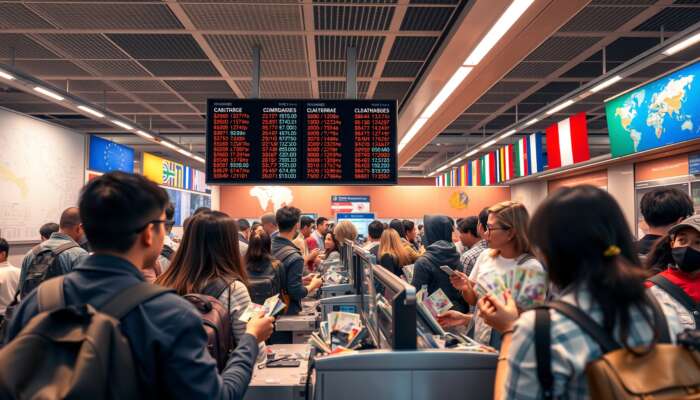
What Are the Key Steps to Achieve Efficient Currency Exchange?
Efficient currency management begins with comprehensive research on current exchange rates. Travellers should consistently monitor these rates to secure the most advantageous conversions. Timing is crucial; opting to exchange currency during off-peak periods can lead to significant financial savings.
Choosing the appropriate venue for currency exchange is equally important. Options typically include local banks, currency exchange kiosks, and hotels, each presenting different rates and fees. By comparing these venues, travellers can ensure they make economically sound choices regarding their currency needs.
| Exchange Venue | Average Exchange Rate (BZD/USD) | Applicable Fees |
|---|---|---|
| Banks | 2.00 | Low |
| Currency Exchange Kiosks | 2.10 | Moderate |
| Hotels | 2.20 | High |
Why Is It Important for Travellers to Monitor Exchange Rates?
Keeping track of exchange rates is crucial for making informed financial decisions. By observing rate fluctuations, travellers can pinpoint the optimal moments to exchange their currency. Various factors, including economic indicators and geopolitical developments, can significantly impact these rates.
Utilising financial applications provides travellers with real-time updates on currency values, ensuring they remain well-informed. Engaging in frequent smaller exchanges rather than larger sums can help mitigate risks related to currency fluctuations.
What Resources Are Available for Effective Currency Management?

Reliable tools are indispensable for simplifying currency management. Mobile applications like Revolut and TransferWise provide real-time exchange rates alongside competitive conversion rates. Their intuitive interfaces make these tools readily accessible for travellers seeking to manage their finances effectively.
Currency converters facilitate quick calculations based on the latest rates. Banking applications also assist in monitoring spending habits while abroad, thereby enabling improved budget management and financial oversight.
- Mobile banking applications for real-time financial updates.
- Currency conversion tools for instant calculations.
- Budgeting applications tailored to track expenditures while travelling.
- Exchange rate alert systems for proactive currency management.
What Are the Main Factors Influencing Exchange Rates?
A multitude of factors affects exchange rates, including key economic indicators such as inflation rates and interest rates. Political stability and overall economic performance significantly influence the strength of a currency.
Global events, such as natural disasters, can trigger rapid fluctuations in exchange rates. Staying informed about both national and international news is essential for grasping the dynamics of currency value changes.
What Advanced Methods Exist for Currency Analysis?
How Can Travellers Enhance Their Currency Decision-Making Process?
Utilising advanced analytical techniques can greatly improve decision-making processes concerning currency transactions. Assessing historical exchange rate trends allows travellers to identify patterns that may forecast future currency movements.
Integrating both qualitative and quantitative analyses provides travellers with a well-rounded perspective on the currency landscape. Monitoring the Belize dollar (BZD) against one's home currency is vital for determining the best timing for exchanges.
| Analysis Technique | Description | Benefits |
|---|---|---|
| Technical Analysis | Identifies essential support and resistance levels. | Guides entry and exit points for transactions. |
| Qualitative Analysis | Examines economic reports and prevailing market sentiment. | Offers crucial context for understanding market movements. |
What Are the Benefits of Adopting Secure Currency Practices?
Embracing secure currency practices is crucial for safeguarding financial assets while travelling. Utilising secure payment methods, such as credit cards, enhances security compared to carrying cash. Furthermore, contactless payment options further reduce the risks associated with theft or loss.
Diversifying currency holdings can also help mitigate risks arising from currency fluctuations. Regularly reviewing transaction statements is essential for identifying unauthorised charges, ensuring comprehensive protection against fraud.
How Should Travellers Approach Long-Term Currency Use?
Prudent long-term currency planning involves the strategic management of how currency is utilised. Establishing clear financial objectives empowers travellers to make informed decisions regarding their currency allocation.
Investing in foreign currency accounts can help protect against potential devaluation risks. Staying informed about emerging currencies and payment technologies is vital for adapting one’s financial strategies as needed.
What Expert Advice Is Available for Currency Exchange in Belize?
How Can Travellers Successfully Navigate the Currency Exchange Landscape?
Exchanging currency in Belize can be a straightforward process if travellers adhere to expert recommendations. Start by exchanging a modest amount at the airport to cover immediate expenses, but avoid converting substantial sums at high-commission locations.
Local banks generally offer more favourable rates compared to tourist-focused outlets. Withdrawing cash from ATMs that dispense local currency often yields competitive exchange rates, thus ensuring better financial management.
How Can Travellers Manage Currency Fluctuations in Belize?
Effectively managing fluctuations in the Belize dollar requires strategic planning. Familiarising oneself with local economic conditions and global financial trends is critical for creating an effective budget.
Employing a combination of cash and credit cards provides flexibility in response to changes in exchange rates. Budgeting applications can assist travellers in tracking their spending and making informed adjustments as necessary.
What Are the Advantages of Using Local Currency While Travelling?
Why Is It Beneficial for Travellers to Utilise Local Currency?
Utilising local currency greatly enhances convenience, as many businesses prefer transactions in their national currency. This practice streamlines the payment process and reduces potential confusion for both parties.
Furthermore, using local currency can lead to financial savings by minimising exchange fees. Engaging with the local culture through cash transactions fosters more authentic interactions with residents and merchants.
What Challenges Should Travellers Consider When Using Local Currency?
While using local currency presents numerous advantages, it also introduces challenges, such as the risk of currency fluctuations. Rates may change unexpectedly, affecting purchasing power and overall budget management.
Carrying cash entails inherent risks, including theft or loss. Therefore, travellers must find a balance between having sufficient cash for daily expenses while minimising exposure to potential financial losses.
How Can Travellers Maximise the Value of Their Currency?
Maximising currency value requires careful planning and active monitoring. Keeping track of exchange rates allows travellers to spot favourable trends for optimal currency exchanges.
Utilising local payment methods and engaging in bulk exchanges can yield more advantageous rates. Implementing budgeting techniques helps maintain control over expenditures, ensuring financial stability throughout trips.
- Consistently monitor exchange rates for advantageous trends.
- Utilise cash transactions to avoid incurring additional fees.
- Engage in bulk exchanges for improved rates.
- Implement budgeting strategies to effectively manage spending.
What Proven Benefits Are Associated with Effective Currency Management?
How Can Data-Driven Strategies Enhance Financial Management?
Implementing data-driven currency strategies can significantly improve overall financial management. Research shows that travellers who actively monitor exchange rates can save an average of 5-10% on conversion costs.
Utilising credit cards with favourable exchange rates can lead to substantial savings over time. Participating in peer-to-peer currency exchange platforms offers competitive rates, potentially saving users up to 15% on transactions.
How Does Currency Impact Daily Life and Spending Choices?
Currency plays a critical role in shaping daily life, influencing purchasing decisions and savings habits. Access to local currency directly affects how travellers allocate their budgets, ultimately impacting their overall travel experiences.
A well-managed currency system contributes to economic stability, enhancing consumer confidence. By understanding currency dynamics, individuals are better equipped to make informed financial choices that enrich their travel experiences.
What Future Trends in Currency Usage Should Travellers Anticipate?
As we look towards the future, the landscape of currency usage is rapidly evolving due to technological advancements. Digital currencies and blockchain technologies are expected to play pivotal roles in shaping transaction methods.
By 2026, the emergence of central bank digital currencies (CBDCs) is anticipated to redefine global currency systems, improving both efficiency and security in financial transactions.
Why Is It Essential to Engage in Active Currency Management?
What Are the Crucial Reasons for Maintaining Oversight of Currency Utilisation?
Active currency management is vital for preventing financial losses while fostering growth. Regularly monitoring currency values allows travellers to avoid unfavourable exchange rates and make timely decisions regarding their finances.
Effective management supports informed budgeting decisions, thus reducing the risk of overspending. This oversight cultivates financial discipline and maximises the utility of available funds, resulting in enriching travel experiences.
The Article Belize Currency: Essential Insights for Travelers appeared first on Belize Travel Guide
The Article Belize Currency Insights: A Essential Guide for Travelers Was Found On https://limitsofstrategy.com