Unlock the Secrets to Cooking Perfect Rice: Essential Ingredients and Techniques
What Are the Essential Ingredients for Perfectly Cooked Rice?
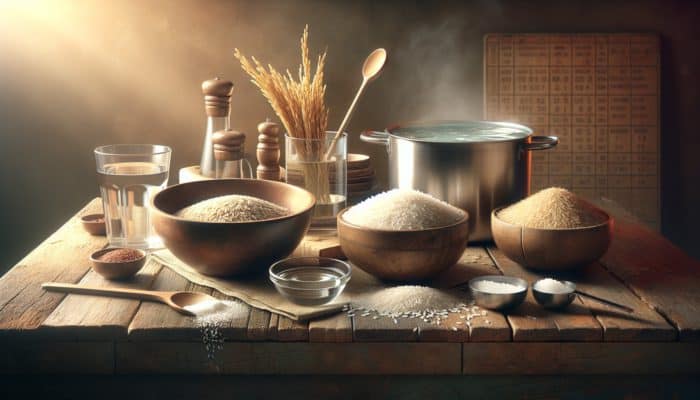
To achieve perfectly cooked rice without depending on a rice cooker, it is crucial to gather a selection of essential ingredients that serve as the foundation for this simple yet rewarding cooking task. The core components include rice, water, and a pinch of salt to elevate the flavour. Precise measurement of these ingredients is vital for ensuring optimal results, allowing anyone to master this straightforward technique using minimal kitchen tools. The choice of rice variety plays an equally important role, as different types yield unique textures and flavours. Here are some popular rice varieties that you might consider:
- Long-grain rice: Perfect for creating fluffy dishes such as pilafs.
- Medium-grain rice: Commonly used in risottos, providing a creamy consistency.
- Short-grain rice: Ideal for sushi, offering a sticky and clumpy outcome.
- Brown rice: A nutritious whole grain option with a nuttier flavour profile.
- Wild rice: Technically a grain rather than rice, known for its distinct texture and nutritional benefits.
- Basmati rice: A fragrant long-grain rice that pairs beautifully with Indian dishes.
- Jasmine rice: An aromatic and slightly sticky variety, perfect for Southeast Asian cuisines.
- Arborio rice: Specifically cultivated for creamy risottos due to its high starch content.
Understanding these ingredients not only lays a strong foundation for successful rice preparation but also makes the reliance on a rice cooker unnecessary.
What Are the Recommended Steps for Rinsing Rice Prior to Cooking?
Rinsing rice is an essential step in the cooking process. This crucial rinsing method helps to remove excess starch, which can cause clumping and create a gummy texture in your finished dish. To begin, place the rice under running water, gently swirling it with your fingers while observing the water turn cloudy. Continue rinsing until the water runs clear, signalling that most of the starch has been eliminated. This straightforward task typically takes just a few minutes but sets the stage for even cooking every time you prepare rice.
Moreover, this rinsing technique not only improves texture but can also greatly enhance the overall flavour of the rice. The clarity of the water after rinsing reflects the purity of your cooking method, ensuring that the grains remain distinct and fluffy once cooked. This minimal effort can yield remarkable outcomes, reinforcing the concept that thorough preparation is vital for culinary excellence.
How Can You Measure Water Accurately for Cooking Rice?
Determining the correct water-to-rice ratio is critical for producing perfectly cooked rice. A widely accepted guideline suggests using a water ratio of 1.5 to 2 cups for every cup of rice, although this may vary based on the type of rice you select. A practical technique involves using your finger to check water levels—after placing the rice in the pot, fill it with water until it reaches the first knuckle of your index finger above the rice.
Mastering this technique guarantees fluffy outcomes by allowing for simple adjustments based on your cooking style and the specific rice variety being used. For example, brown rice typically requires more water and a longer cooking duration compared to white rice. As you gain experience, you will develop an intuitive understanding of the nuances associated with different rice types, empowering you to achieve consistently exceptional results each time you cook.
What Kitchen Equipment Do You Need for Cooking Rice?
How to Select the Ideal Pot for Cooking Rice?
Choosing the right pot is essential for cooking rice effectively without a rice cooker. A heavy-bottomed pot is the best choice, as it distributes heat evenly, preventing burning and ensuring the rice cooks thoroughly. Materials such as <a href="https://limitsofstrategy.com/stainless-steel-tongs-essential-tool-for-every-kitchen/">stainless steel</a> or cast iron provide excellent durability and heat retention, making them ideal for this culinary task.
When selecting your pot, consider its size; it should be spacious enough to accommodate the rice and water without risking overflow. Typically, a three-litre pot is sufficient for cooking up to two cups of rice. Additionally, a pot with a well-fitting lid is crucial for trapping steam, which is a key factor in the cooking process. The right pot not only enhances your cooking experience but also significantly contributes to achieving that desired fluffy rice texture.
What Alternative Cooking Tools Can You Use for Preparing Rice?
If you do not have a traditional pot, several alternatives can effectively facilitate the cooking of rice. A saucepan or a Dutch oven can serve as excellent substitutes, offering versatility for various cooking scenarios. Each option has its own advantages; for instance, a saucepan tends to be lighter and easier to handle, while a Dutch oven retains heat exceptionally well, making it ideal for slow cooking.
When opting for alternatives, ensure that the pot has a tight-fitting lid to retain steam, which is essential for proper rice cooking. These alternatives make the process accessible, allowing anyone to enjoy perfectly cooked rice, regardless of their kitchen setup. Exploring these options empowers you to adapt your cooking methods to your available equipment while maintaining the quality of your meals.
What Important Safety Measures Should You Take While Cooking Rice?
Prioritising safety is paramount when working with hot equipment during the cooking of rice. Always handle your pot with care to prevent burns or accidents. Using oven mitts can protect your hands when removing the pot from the heat source. It is also advisable to maintain consistent heat control, especially while simmering, to avoid boiling over or scorching the rice.
Ensuring proper ventilation in your cooking area enhances air circulation, thereby reducing the risk of steam and heat-related accidents. Keep flammable items away from the stovetop, and never leave cooking rice unattended. By emphasising safety, you create a reliable cooking environment that supports consistency and quality in every batch of rice you prepare.
Expert Techniques for Cooking Rice on the Stovetop Without a Rice Cooker
What Key Strategies Do Experienced Cooks Employ?
Experienced cooks often utilise specific strategies to achieve perfectly cooked rice without resorting to a rice cooker. One vital technique involves simmering the rice slowly over low heat. Begin by bringing the water to a rolling boil, then reduce the heat to low and cover the pot with a lid. This method enables the rice to absorb water evenly while preventing it from boiling over, ensuring that each grain remains fluffy and distinct.
Timing also plays a crucial role; different rice varieties necessitate varying cooking durations. For example, white rice typically cooks in 15 to 20 minutes, while brown rice may require 40 to 45 minutes. Experienced cooks recommend checking the rice a few minutes before the suggested cooking time to prevent overcooking. By mastering these techniques, you will enhance your daily preparation skills, resulting in consistently delicious rice dishes.
What Common Mistakes Should Be Avoided When Cooking Rice?
Although cooking rice might seem straightforward, several common mistakes can lead to disappointing results. A significant error is over-stirring, which can cause the rice to become mushy instead of fluffy. Instead, once the rice is added to the pot, stir it just once to separate the grains and then cover it with the lid.
Another frequent mistake is failing to properly adjust the water ratio based on the type of rice. For instance, using too much water can create soggy rice, while too little can result in undercooked grains. Seasoned cooks advise paying careful attention to these details and making necessary adjustments. With practice, you will refine your approach and achieve consistent quality in every batch of rice you prepare.
How Can You Customise Cooking Techniques for Desired Rice Textures?
Different rice types yield various textures, and adapting your cooking methods accordingly can significantly enhance your dining experience. For instance, if you prefer sticky rice—such as that used in sushi—you may want to slightly increase the water and reduce the cooking time to ensure the grains remain cohesive. Conversely, if you desire fluffier rice, like basmati, using a little less water can help achieve the desired separation of grains.
Real-world examples highlight these adaptations; for example, many Asian cuisines prepare rice to be slightly sticky for ease of handling with chopsticks, while Middle Eastern dishes often require a fluffier grain to enhance the presentation of pilaf. By understanding and applying these adjustments based on your texture preferences, you can customise your cooking outcomes and enjoy a diverse range of rice dishes.
Research-Supported Benefits of Cooking Rice Without a Rice Cooker
How Does Flavour Naturally Evolve During the Cooking Process?
Cooking rice without a rice cooker allows the natural flavour to develop through the steaming process rather than relying on artificial additives. This method enriches the inherent aromas of the rice, resulting in a more delightful meal experience. When rice is steamed properly, the grains swell and absorb flavour from the surrounding water and any additional ingredients you choose to include.
This natural flavour development is particularly pronounced in fragrant rice varieties like jasmine and basmati, where the cooking process releases their signature aromas, enhancing the overall dish. By embracing this approach, you create rice that stands out in terms of taste, complementing any meal without the need for artificial enhancements. This methodology not only elevates your culinary creations but also supports a healthier cooking philosophy.
What Nutritional Advantages Arise from Basic Cooking Techniques?
Avoiding electric appliances like rice cookers helps maintain the nutritional integrity of rice, ensuring vital vitamins are preserved throughout the cooking process. Basic cooking methods are often simpler and require fewer additives, promoting healthier eating habits. Cooking rice on the stovetop grants you full control over the process, ensuring that no nutrients are lost in the cooking water—a common issue with overcooked rice prepared in some electric models.
This emphasis on minimalism in preparation encourages a more conscious approach to cooking, reinforcing the idea that simple methods can yield the most healthful outcomes. By mastering these fundamental techniques, you can support a more nutritious diet while enjoying the versatility of rice in your meals.
What Long-Term Skills Can You Develop from Practising Rice Cooking?
Building confidence in the kitchen stems from consistent practice, especially when mastering the technique of cooking rice without a rice cooker. As you become more familiar with the process, you will develop greater kitchen efficiency and an array of versatile meal options. Through regular practice, you will learn to adjust cooking times and water ratios to suit your preferences, empowering you to experiment with different rice varieties.
Incorporating rice cooking into your routine not only enhances your culinary repertoire but also instils a sense of accomplishment. Over time, you will find that you can effortlessly produce perfectly cooked rice, serving as a versatile base for a multitude of dishes. Here are several progressive skill-building tips to consider:
- Begin with simple rice varieties to build confidence in your cooking skills.
- Gradually experiment with different water ratios to discover what works best for you.
- Try adding spices and herbs during cooking for enhanced flavour.
- Practice adjusting cooking times to achieve various textures.
- Keep a cooking journal to track your progress and preferences.
- Invite friends or family to share the experience and learn together.
- Explore international rice dishes to broaden your culinary horizons.
- Continue refining your techniques as you gain more experience.
These skills not only enhance your cooking journey but also lay the groundwork for a lifetime of delicious rice dishes.
What Should You Do When Encountering Common Issues in Rice Cooking?
What Causes Rice to Adhere to the Pot?
Rice sticking to the pot is a common challenge that can detract from the overall texture and presentation of your dish. One primary cause of sticking is insufficient oil or fat during cooking. Adding a small amount of oil or butter at the beginning can help coat the grains, preventing them from clumping together. Additionally, cooking at too high a heat can lead to sticking, as the rice may not absorb water evenly.
If you find yourself with sticky rice, there are quick remedies to salvage the dish. Allow the rice to sit for a few minutes after cooking, then gently fluff it with a fork to separate the grains. If it is excessively sticky, you can rinse it briefly with hot water to remove excess starch. By understanding these causes and potential solutions, you will be better equipped to navigate and improve your rice cooking techniques.
What Are the Indicators of Undercooked or Overcooked Rice?
Recognising the visual cues of undercooked or overcooked rice is crucial for achieving ideal results. Undercooked rice typically appears dry and hard, exhibiting a noticeable amount of chewiness. In contrast, overcooked rice will look mushy and may have a gummy texture, indicating that it has absorbed too much water or been cooked for too long.
To avoid these pitfalls, it is important to monitor the rice closely as it cooks. Check the texture a few minutes before the recommended cooking time; if you see the grains are still firm but beginning to show cooking signs, it may be time to remove them from the heat and let them steam in the residual warmth. This approach allows you to adjust mid-cook, leading to perfectly cooked rice every time.
What Solutions Can Address Inconsistent Cooking Results?
Inconsistencies in rice cooking outcomes often stem from minor adjustments in water volume or stirring techniques. If you notice your rice is not cooking evenly, consider experimenting with small tweaks in your water measurements. For instance, if your rice consistently turns out too dry, adding just a quarter cup more water can often resolve the issue.
Another factor to consider is stirring; excessive agitation can result in a mushy texture, while too little stirring can lead to uneven cooking. Aim to find a balance by stirring gently once, right after adding the rice to the water, and then leave it undisturbed until it's time to serve. This strategy promotes even cooking while helping to avoid common issues. Embracing these small adjustments will help turn potential errors into valuable learning opportunities, fostering reliable future attempts.
How Can You Remedy Overly Watery Rice?
Dealing with overly watery rice can be frustrating, but several effective techniques can salvage your dish without compromising its flavour. If you find your rice is soggy due to excess water, the first step is to drain the excess liquid using a sieve. This method helps remove the watery residue while preserving the integrity of the rice grains.
If the rice remains too wet after draining, you can gently simmer it on low heat without a lid for a few minutes to allow the excess moisture to evaporate. This technique enables the rice to dry out while absorbing any flavours you wish to add, such as herbs or spices. By mastering these strategies, you can adjust recipes for the right consistency, avoiding future mishaps and ensuring perfectly textured meals.
Proven Techniques for Cooking Rice Without a Rice Cooker
What Variations Should You Consider for Different Rice Types?
Adapting your cooking methods for different rice types is essential for achieving the desired results. Long-grain rice, such as basmati, typically benefits from a cooking time of 15 to 20 minutes with a water ratio of approximately 1.75:1. In contrast, short-grain varieties, commonly used in sushi, require less water and a slightly shorter cooking time to maintain their sticky texture.
Experimenting with cooking durations is key to creating diverse dishes that cater to various preferences. For example, brown rice requires a longer cooking time of around 40 to 45 minutes and a higher water volume, often at a 2:1 ratio. By understanding these variations and adjusting your approach accordingly, you can create perfectly cooked rice tailored to your specific dish and taste preferences.
How Can You Enhance Rice with Simple Additions?
Transforming basic rice into an appealing side dish can be achieved through simple enhancements. Incorporating herbs and vegetables during the cooking process can significantly elevate the flavour. For example, adding a bay leaf or a sprig of rosemary can infuse the rice with aromatic notes, while diced onions or garlic can provide a savoury depth to the dish.
Additionally, consider adding vegetables such as peas or carrots during the final cooking stages for a vibrant and nutritious upgrade. These subtle yet effective enhancements not only improve taste but also boost the nutritional value of your meal. Embracing these creative approaches allows you to elevate your rice dishes, making them more enjoyable and satisfying for every palate.
What Are the Best Practices for Storing Leftover Rice?
Properly storing leftover rice is crucial for maintaining its freshness and quality. To ensure that your rice remains usable for future meals, cool it quickly after cooking. Spread the rice on a baking tray or shallow dish to allow for even cooling, which helps prevent bacterial growth and preserves its texture.
Once cooled, transfer the rice into airtight containers to keep it fresh. Store it in the refrigerator for up to four days or freeze it for longer-term storage. When reheating, add a splash of water to help restore moisture and prevent dryness. Following these storage techniques guarantees that your leftover rice remains delicious and safe to eat, allowing for a variety of meal options throughout the week.
How to Perfectly Measure Water for Cooking Rice?
Mastering the art of accurately measuring water is vital for achieving perfectly cooked rice without the aid of a rice cooker. Different rice varieties demand different water ratios to produce optimal results. For long-grain rice, a standard ratio of 1.5 to 2 cups of water per cup of rice is ideal, while short-grain rice may only require 1.25 to 1.5 cups of water.
To refine your measurements, consider using a measuring cup designed specifically for dry ingredients, as this ensures precision. Adjusting ratios based on your experiences will help you avoid common issues like mushiness or hardness. With practice, you will develop a reliable method for water measurement, making your cooking experience both straightforward and successful.
Frequently Asked Questions About Cooking Rice
Can I Cook Rice Without Using Measuring Cups?
Yes, you can gauge the water level above the rice using your finger, typically to the first knuckle, for an accurate water measurement without a measuring cup.
How Long Does It Typically Take to Cook Rice on the Stovetop?
Cooking rice on the stove generally takes between 15 to 45 minutes, depending on the type of rice being used.
What Is the Best Method for Storing Cooked Rice?
Cool cooked rice quickly and store it in airtight containers in the refrigerator for up to four days or freeze it for longer storage.
Can I Add Spices While Cooking Rice?
Yes, incorporating spices or herbs during cooking can greatly enhance the flavour, creating a more aromatic and enjoyable dish.
What Should I Do If My Rice Turns Out Too Sticky?
If your rice is sticky, allow it to rest for a few minutes, then fluff it gently with a fork. You can also rinse it briefly to remove excess starch.
How Can I Make My Rice More Flavourful?
Using broth instead of water or adding aromatics like garlic, onion, or herbs can significantly enhance the flavour of your rice.
Is It Necessary to Rinse Rice Before Cooking?
Rinsing rice is recommended to remove excess starch, which helps improve the texture and prevent clumping during cooking.
How Do I Know When My Rice Is Fully Cooked?
Rice is fully cooked when it is tender and the water has been absorbed. You can check by tasting a grain or observing the texture for doneness.
Can I Cook Rice Using a Microwave?
Yes, rice can be cooked in a microwave using a microwave-safe container and a similar water-to-rice ratio, with covered cooking for optimal results.
What Types of Rice Work Best for Different Dishes?
Long-grain rice is ideal for fluffy dishes, short-grain for sticky rice, and brown rice for a nuttier taste, catering to various culinary applications.
Connect With Us on Facebook!
The post How to Cook Rice Without a Rice Cooker: Easy Stovetop Methods appeared first on https://cookinggods.com
The Article Cook Rice Easily: Stovetop Methods Without a Rice Cooker Was Found On https://limitsofstrategy.com