Uncover Vital Insights into Spaying and Its Impact on Pet Behaviour
What Key Aspects Should You Know About Spaying and Its Initial Behavioural Changes?

Spaying Changes Pet Personality: Spaying represents a critical surgical procedure designed to remove a pet's reproductive organs, primarily aimed at ensuring humane population control in pets. However, the ramifications of spaying surpass simple population management; this operation can induce substantial modifications in a pet's behaviour and temperament, predominantly due to hormonal fluctuations. Numerous pet owners observe a significant transformation in their pets' aggression levels and overall mood shortly after the spaying procedure. A widely reported change is a significant reduction in territorial behaviours, which cultivates a more tranquil and harmonious domestic environment.
The consequences of spaying can exhibit considerable variability among individual pets, influenced by their personality traits prior to the procedure. For instance, dogs that previously displayed anxiety or hyperactive behaviours may present a much calmer demeanor after surgery, while cats known for aggressive behaviours might become notably more social. This transformation is largely attributable to the lowered hormone levels that frequently incite aggressive or anxious behaviours. Gaining a thorough understanding of these essential changes equips pet owners to effectively navigate the emotional adjustments their pets undergo following the surgery.
What Are the Major Factors Influencing Personality Changes After Spaying?
When evaluating the impact of spaying on a pet's personality, several key factors must be considered, such as the pet's age, breed, and pre-existing behavioural traits. For example, younger pets typically exhibit more pronounced behavioural changes compared to older ones, as their brains are still in developmental stages and their social learning processes are actively evolving. Furthermore, certain breeds may be predisposed to specific temperament characteristics that can influence their responses to hormonal changes post-spaying.
Moreover, a pet's previous experiences and socialisation level play a crucial role in their adjustment following spaying. Pets that are well-socialised generally adapt more readily to changes, whereas those with traumatic backgrounds may find it more challenging to acclimatise to their new emotional landscape. By enhancing their understanding of these nuanced behavioural shifts, pet owners can customise their support strategies, ensuring a smoother transition for their pets into this new phase of their lives.
What Are the Common Misconceptions About the Effects of Spaying on Pets?
There are numerous myths surrounding the effects of spaying on a pet's personality, often resulting in misunderstandings that could impede informed decision-making. A prevalent misconception is that spaying will automatically cause a pet to become lethargic or overweight. Although hormonal alterations can influence metabolism, a pet's activity level is predominantly determined by their lifestyle choices and dietary habits. Another widespread belief is that spaying will diminish a pet's unique personality. In actuality, while some behaviours may shift, the fundamental personality traits of the pet generally remain unchanged.
It is essential to dispel these myths to empower pet owners to make well-informed decisions regarding their pets' health and well-being. Equipped with accurate information, owners can confidently proceed with the choice to spay, fully understanding that while the procedure may yield beneficial behavioural changes, it does not compromise the pet's individuality or uniqueness.
How Does Spaying Affect Pet Behaviour Over Time?

What Immediate Behavioural Changes Can Owners Expect After Spaying?
In the days immediately following spaying, pet owners are likely to observe several significant behavioural changes in their pets. One of the most frequently reported alterations is a decrease in aggression, especially in dogs that previously exhibited dominant or territorial behaviours. This reduction can primarily be attributed to the substantial decline in hormone levels that often drive these tendencies. For instance, a dog that once barked aggressively at strangers may begin to display friendlier and more relaxed behaviour, demonstrating greater tolerance towards visitors.
Another immediate change often noticed is an increase in calmness. Many pets seem to adopt a more serene demeanour shortly after the surgical procedure, contributing to a more harmonious household atmosphere. Such transformations benefit both pets and their owners, as a calmer disposition enhances interactions and bonding opportunities. Pet owners must acknowledge these initial changes to effectively manage their pets' behaviour in the days following the surgery.
What Factors Can Expedite Personality Changes After Spaying?
Several factors can hasten personality changes after spaying. Health-related issues, such as chronic pain or discomfort, may significantly influence how a pet responds to the emotional shifts induced by surgery. Additionally, the pet's living environment plays a vital role in their adaptation; pets in stable and supportive surroundings tend to adjust more quickly than those in chaotic or stressful situations. The presence of other pets can also affect behaviour, as animals frequently mimic the actions of their companions.
Pet owners can take proactive steps to create an environment that fosters positive changes. For instance, maintaining a calm atmosphere with consistent routines can significantly assist pets in acclimatising to their new emotional states following surgery. By understanding and addressing these influential factors, pet owners can facilitate smoother transitions and promote healthier behavioural outcomes for their pets.
What Long-Term Behavioural Patterns Should Owners Monitor After Spaying?
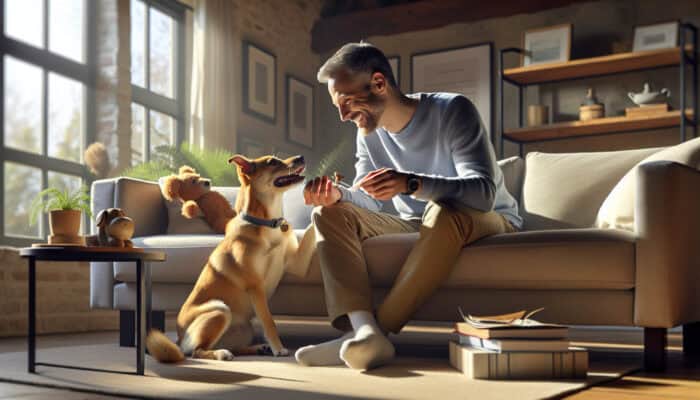
Over time, many pets that undergo spaying exhibit enduring personality changes, often becoming more affectionate and sociable. Owners may find that their pets, especially those previously characterised as aloof or distant, become more cuddly and eager to engage in interactive play after the surgery. This evolution can strengthen the bond between pet and owner, resulting in a more fulfilling and enriched companionship.
Monitoring these long-term behavioural trends is crucial for ensuring a pet's well-being. Owners should take note of positive developments, such as an increased willingness to play or interact with family members. Regular observations also aid in the early identification of any negative changes, allowing for timely interventions. By closely tracking their pets' evolving behaviours, owners can provide the necessary support for their pets to thrive emotionally and socially over time.
Professional Insights on the Influence of Spaying on Pet Personality
How Do Experts Evaluate the Hormonal Influences on Pet Behaviour?
Veterinary professionals recognise the significant role hormones play in shaping a pet's personality. The hormonal changes that occur after spaying can lead to observable behavioural adjustments, making it essential to comprehend these shifts for effective pet management. Experts frequently analyse behavioural data, noting that the removal of reproductive organs results in decreased hormone levels, which can help alleviate aggression and anxiety in pets.
Professionals recommend practical strategies to create a nurturing environment that fosters emotional stability in pets. For instance, establishing structured routines and promoting social interaction can significantly aid pets in acclimatising to their new hormonal environment. Keeping a log or journal to track any behavioural changes can also assist owners in recognising patterns and understanding their pets' evolving needs.
What Proven Strategies Can Support Managing Post-Spaying Transitions?
To ensure a smoother transition after spaying, specialists advocate for gradual adjustments to a pet's daily routine. By progressively modifying feeding times, play schedules, and exercise regimens, owners can help their pets adapt to their new emotional states without causing overwhelming stress. This approach not only eases the adjustment period, but also reinforces a sense of security for the pet.
Additionally, employing positive reinforcement techniques, such as treats and praise for desired behaviours, can further facilitate adaptability. Keeping social interactions enjoyable and stress-free contributes to alleviating anxiety, leading to a smoother behavioural transition. These strategies, grounded in expert recommendations, are crucial for fostering effective personality adjustments in pets.
What Evidence from Veterinary Research Supports Behavioural Changes After Spaying?
Research consistently highlights observable trends in pet behaviours following spaying, emphasising the procedure's positive implications. For instance, studies indicate that spayed pets frequently exhibit enhanced sociability and reduced aggression, contributing to a more harmonious living environment. Observational data suggest that pets display a more balanced emotional state, positively influencing their interactions with both humans and other animals.
Real-world examples from veterinary research demonstrate that spaying not only affects individual pet behaviour but also benefits overall pet populations. The rising adoption rates for spayed pets often reflect diminished aggression in shelter environments, leading to improved success rates in finding homes. This body of evidence reinforces the reliability of spaying outcomes, empowering pet owners to make informed decisions regarding their pets' health and behaviour.
What Do Experts Recommend About Personality Recovery After Spaying?
Experts assess the potential for reversing personality changes that may occur post-spaying, particularly when behavioural shifts are pronounced. Follow-up studies indicate that while some changes may be temporary, others may become more established over time due to the new hormonal environment. Understanding the factors that contribute to personality recovery, such as ongoing socialisation and positive reinforcement, is crucial for pet owners.
Veterinarians often advise closely monitoring pets for signs of recovery, such as a return to previous behaviours or improved interactions with family members and other pets. Additionally, providing consistent support and encouragement can help reinforce positive behaviours. By focusing on fostering emotional stability, owners can assist their pets in regaining their original personalities, ensuring they flourish emotionally after the procedure.
What Are the Long-Term Effects of Spaying on Pet Personality?
How Does Personality Evolve Over the Years Following Spaying?
Years after spaying, many pets display a more stable and balanced personality. The reduction in hormone levels generally leads to a calming effect, enabling pets to develop greater emotional resilience. Owners often observe that their pets become more well-adjusted, with fewer instances of anxiety or over-excitement.
Recognising these long-term effects is vital for pet owners. While some initial behavioural changes may be fleeting, the lasting benefits of spaying typically manifest as enhanced sociability and improved emotional health. This evolution in personality underscores the importance of ongoing engagement, socialisation, and proper care to promote an overall sense of well-being. Minimal Changes After Spaying?
Interestingly, not all pets experience significant personality changes after spaying, as this can depend on various individual factors. Genetics, temperament, and past experiences play critical roles in determining how a pet responds to hormonal shifts. Some pets, particularly those with balanced temperaments, may exhibit minimal behavioural changes, allowing them to retain their unique personality traits.
- Individuals respond differently to hormonal changes.
- Genetics significantly influence behavioural outcomes.
- Prior socialisation can buffer against drastic changes.
- Different breeds may show varying susceptibility to behavioural shifts.
For pet owners, understanding these variations can enhance their approach to monitoring their pets' behaviours. By focusing on individual needs and providing tailored care, owners can help their pets navigate subtle changes effectively.
What Potential Risks Are Associated with Personality Changes After Spaying?
While the benefits of spaying are substantial, potential risks related to personality changes are crucial for pet owners to consider. Some pets may exhibit increased anxiety or behavioural issues, particularly if they experience significant hormonal changes or have pre-existing anxiety disorders. Additionally, pets that lacked proper socialisation prior to the procedure may struggle with adjustments after spaying.
To mitigate these risks, owners should concentrate on fostering a calm and supportive environment for their pets. Gradually introducing changes while maintaining consistent routines can help prevent behavioural problems. Furthermore, recognising early signs of distress or emotional instability enables timely interventions, ensuring pets continue to thrive both emotionally and behaviourally.
What Are the Long-Term Health Benefits of Spaying for Pets?
Spaying not only influences personality but also provides significant long-term health benefits that can enhance a pet's overall lifespan. By eliminating the risk of certain reproductive cancers and infections, spaying greatly improves a pet's long-term health outlook. For instance, spayed female dogs experience a notably lower incidence of mammary tumours, while male dogs are less likely to develop testicular cancer.
These health benefits underscore the importance of spaying as a fundamental aspect of responsible pet ownership. Pet owners can optimise their pets’ well-being by ensuring regular veterinary check-ups and maintaining a healthy lifestyle post-procedure. The cumulative effects of these health advantages further reinforce the notion that spaying is a critical decision for enhancing a pet's quality of life.
What Research-Backed Benefits Are Associated with Spaying and Its Influence on Pet Personality?
How Do Studies Validate the Positive Outcomes of Spaying?
Numerous studies confirm the beneficial effects of spaying on pet behaviour. Research findings reveal that spayed pets often demonstrate increased sociability, making them more enjoyable companions. For instance, studies have shown a reduction in aggressive behaviours and an uptick in friendly interactions with both humans and other animals.
These findings emphasise the importance of following up on the positive developments that occur after spaying. Pet owners can adopt evidence-based strategies, such as encouraging social interaction and providing ample opportunities for play. By reinforcing these positive behaviours, owners can strengthen their bond with their pets and promote long-term emotional health.
What Expert-Recommended Methods Can Help Track Improvements After Spaying?
Experts suggest that pet owners utilise tracking tools to monitor personality enhancements following spaying. Maintaining journals to record behavioural changes, such as increased playfulness or improved interactions with other pets, can provide valuable insights into a pet's emotional state. Observing and documenting these shifts not only helps owners better understand their pets but also enables them to identify trends that inform ongoing care.
Additionally, sharing feedback on notable changes observed during routine veterinary check-ups can facilitate discussions on further enhancing a pet's emotional well-being. By actively tracking their pet's behaviours, owners can better support their pets throughout the adjustment period following spaying.
Why Are These Behavioural Changes Critical for Overall Pet Health?
The behavioural changes associated with spaying often lead to broader health benefits for pets. Research indicates that spaying can promote better emotional balance, which is essential for overall well-being. Pets exhibiting reduced anxiety and aggression generally enjoy better health, as their stress levels are lower, making them less susceptible to stress-related illnesses.
Furthermore, a well-adjusted pet is more likely to engage in physical activity and social interactions, leading to improved physical health outcomes. This holistic approach to pet welfare highlights the interplay between behaviour and health, reinforcing the significance of spaying as a key factor in promoting lifelong well-being for pets.
What Biological Factors Underlie Personality Changes After Spaying?
What Biological Elements Influence These Changes?
Biological factors, particularly hormonal and genetic components, significantly impact the personality changes observed post-spaying. The removal of reproductive organs results in a decrease in sex hormones, which can greatly influence behaviours associated with mating instincts, aggression, and territoriality. Pets may exhibit a diminished need to assert dominance or defend their territory, resulting in calmer, more sociable behaviours.
Moreover, genetic predispositions can determine how susceptible pets are to these changes. Certain breeds may be more genetically inclined to experience substantial personality shifts, while others may retain their core traits post-surgery. Understanding these biological foundations allows pet owners to tailor their care strategies more effectively in response to their pets’ evolving behaviours.
How Do Environmental Factors Shape Personality Changes?
The environment plays a pivotal role in shaping a pet's behaviour, particularly after spaying. Factors such as household atmosphere, the presence of other animals, and the consistency of routines can either amplify or mitigate the changes a pet experiences. For example, a pet entering a loving, supportive environment after surgery is far more likely to adapt positively compared to one in a stressful or chaotic setting.
Owners can cultivate a supportive environment by ensuring consistency in daily routines, providing ample opportunities for socialisation, and minimising stressors. By understanding the interplay between environmental influences and personality changes, owners can better assist their pets through the transition, thereby enhancing their emotional and behavioural well-being.
Is It Feasible to Predict the Effects of Spaying on Personality?
While it can be challenging to predict every outcome following spaying, certain indicators can provide insights into potential effects. Factors such as age, breed, and pre-existing behavioural tendencies can serve as useful predictors. For instance, younger pets may experience more significant personality shifts, while older pets may retain their core traits more robustly.
Furthermore, monitoring behaviours leading up to the procedure can provide clues about how a pet might adapt post-surgery. By observing behavioural patterns, owners can anticipate changes and implement supportive strategies accordingly. This proactive approach fosters an adaptive mindset, enabling pet owners to effectively prepare for their pets’ emotional development.
Effective Strategies for Supporting Pets After Spaying
What Practical Steps Can Owners Take to Aid Their Pets' Adjustment?
Supporting a pet through the adjustment period following spaying is essential for ensuring a seamless transition. Practical steps include establishing a consistent routine, which can help pets feel secure in their new circumstances. Regular playtime and mental stimulation are also vital for promoting emotional engagement and preventing potential behavioural issues.
Moreover, providing a calm and nurturing environment is crucial. Pet owners should create safe spaces where their pets can retreat if they feel overwhelmed. By emphasising stability and predictability, owners can foster a sense of security that assists their pets during this adjustment time.
What Indicators Suggest Successful Adaptation After Spaying?
Recognising signs of successful adaptation following spaying is vital for confirming that the transition is progressing positively. Positive behaviours, such as increased playfulness, a willingness to engage with family members, and a more relaxed demeanour, suggest that a pet is adjusting well to its new emotional state. Owners should monitor these indicators, as they reinforce the bond between pet and owner.
Maintaining open communication with veterinarians regarding observed changes can also support effective monitoring. Regular updates can help identify any potential issues and enable proactive care tailored to each pet’s needs. Ultimately, being attentive to these signs helps owners celebrate their pets' progress and make informed decisions about ongoing care.
When Is It Necessary for Owners to Seek Professional Help for Behavioural Concerns?
If a pet exhibits excessive behavioural changes following spaying, it may be essential to consult a professional. Indicators for seeking assistance include prolonged anxiety, aggressive outbursts, or any significant regression in behaviour. These issues may indicate underlying problems that could benefit from expert intervention.
- Excessive aggression towards people or other animals.
- Prolonged signs of anxiety or stress.
- Withdrawal from social interactions.
- Changes in eating or sleeping habits.
Engaging a veterinarian or a certified animal behaviourist can equip pet owners with strategies to effectively address these challenges, ensuring their pets continue to thrive emotionally and behaviourally. Professional assistance can significantly aid in navigating these complexities.
What Long-Term Care Strategies Should Owners Implement Post-Spaying?
Long-term care strategies are crucial for maintaining a pet's emotional and physical health following spaying. Owners should monitor their pets for chronic issues, such as fluctuations in weight or mood changes. Regular exercise and a balanced diet are essential for preventing obesity, which can be a concern after spaying.
Periodic health assessments are equally vital for early identification of any developing issues. Regular veterinary check-ups can help detect potential behavioural or health complications, allowing for timely interventions. By adopting a comprehensive approach that includes consistent monitoring and support, pet owners can promote lasting well-being for their pets long after spaying.
Frequently Asked Questions About Spaying and Its Impact
What Is the Definition of Spaying?
Spaying is a surgical procedure that involves the removal of a female pet's reproductive organs to prevent pregnancy and mitigate certain health risks associated with reproductive diseases.
How Quickly Can I Expect to Notice Behavioural Changes in My Pet After Spaying?
Most behavioural changes can be observed within days to weeks following the procedure, with common shifts including reduced aggression and increased calmness.
Will Spaying Permanently Alter My Pet's Personality?
While certain behavioural changes may be lasting, a pet's fundamental personality traits generally remain intact after spaying.
How Can I Assist My Pet in Adjusting After Spaying?
Providing a stable routine, employing positive reinforcement, and creating a calm environment can significantly support your pet's adjustment following surgery.
Are There Any Risks Associated with Spaying My Pet?
Although spaying is typically safe, potential risks may include surgical complications and behavioural changes that require monitoring for adjustments.
Can Spaying Help Decrease Aggressive Behaviour in Pets?
Yes, spaying can substantially reduce aggressive behaviours in pets, particularly those linked to sex hormones that drive such tendencies.
How Can I Determine If My Pet Is Experiencing Negative Changes After Spaying?
Signs such as excessive anxiety, aggression, or withdrawal from social interactions may indicate negative changes and should be addressed with a veterinarian promptly.
What Should I Do If My Spayed Pet Becomes Lethargic?
If lethargy persists after spaying, consult your veterinarian to rule out underlying health issues that may require attention.
Will My Pet's Weight Change After Spaying?
It is common for pets to gain weight after spaying due to hormonal changes, so monitoring their diet and exercise closely is essential.
How Often Should I Schedule Veterinary Visits for My Pet After Spaying?
Regular check-ups, ideally every six months, are recommended to monitor your pet's health and behaviour after spaying, ensuring they are thriving.
Connect with Us on Facebook!
The Article Spaying Changes Pet Personality: Understanding the Effects First Published On https://elgatoencasa.com
The Article Spaying Effects on Pet Personality: What to Know Was Found On https://limitsofstrategy.com