With an extensive background of over 27 years providing dedicated services to the communities of Newcastle and the Hunter Region, our skilled team regularly encounters a variety of tree species, each presenting unique challenges. Among the most prevalent issues we address are tree roots invading pipes, branches extending through roofs, stubborn stumps that refuse to decay, and trees that may seem healthy but suddenly deteriorate. In this comprehensive article, we delve into the six tree species that we most frequently remove, highlighting the typical comments homeowners express when we arrive at their properties seeking assistance.
Uncover the six tree species that we regularly remove, alongside the common feedback we receive from homeowners when we respond to their requests for expert help.
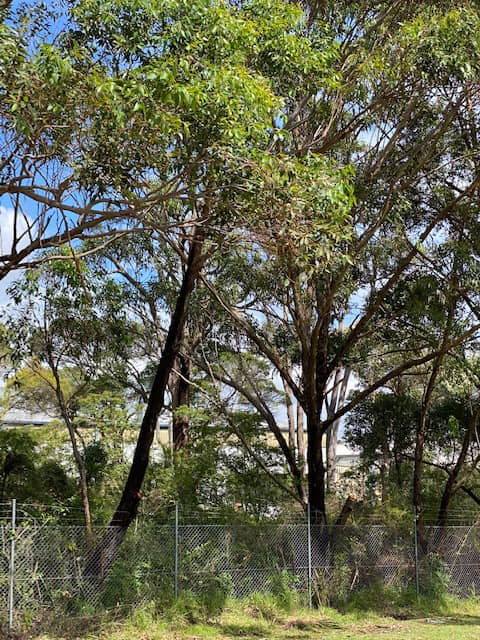
1. Discover the Removal Challenges of Cocos Palm (Syagrus romanzoffiana)
- The Cocos Palm has emerged as our most common tree removal project across Newcastle and Lake Macquarie, presenting specific issues that homeowners must navigate.
- Initially embraced as a tropical addition that required minimal maintenance when young, this palm can reach impressive heights of 10–15 metres within just a decade, leading to significant challenges during removal.
- Its continuously dropping fruits attract fruit bats, resulting in unsightly stains on driveways and creating potential slip hazards for local residents.
- In contrast to many native palms, the fronds of the Cocos Palm are heavy and sharp; falling fronds can cause considerable damage to property and pose serious injury risks to individuals.
- Once this palm tree surpasses its intended space, pruning becomes an impractical solution, necessitating complete removal. This task requires specialised equipment due to the tree's remarkable height.
- Homeowners frequently express upon our arrival: “We had no idea it would get this big.”
2. Tackle the Urban Challenges Caused by Manchurian Pear (Pyrus ussuriensis)
- Once marketed as an attractive street and garden tree in the early 2000s, we have been dealing with the repercussions of this promotion ever since.
- The roots of the Manchurian Pear are both aggressive and shallow, often found beneath driveways, lifting pathways, and infiltrating stormwater pipes, resulting in significant structural damage.
- Although advertised as a neat ornamental deciduous tree, this species generates substantial leaf litter that requires regular maintenance and cleanup.
- Moreover, we must not overlook the unpleasant odour. In spring, the blossoms emit a distinctly unpleasant smell reminiscent of semen, a fact well-documented but often omitted by nurseries when selling.
- This species has naturalised in various regions of the Hunter Valley and is increasingly recognised as a potential environmental weed, posing risks to the local ecosystems.
- What homeowners typically say upon our arrival: “The roots have got under everything — and honestly, the smell every spring was the last straw.”
3. Why is Camphor Laurel (Cinnamomum camphora) a Significant Issue for Homeowners?
- Identified as a Regionally Controlled Weed under the NSW Biosecurity Act 2015, this tree requires active management across significant areas of the Hunter Region. Homeowners governed by Maitland City Council and Lake Macquarie City Council may have specific legal obligations regarding its management.
- This tree releases allelopathic chemicals that inhibit the growth of all vegetation beneath it, adversely affecting lawns, garden beds, and neighbouring plants.
- Camphor Laurel grows rapidly and can attain considerable sizes. Its extensive root systems are enduring; stump grinding often fails to eliminate the entire root structure, leading to persistent issues.
- Regrowth from remaining roots is aggressive, and improper removal techniques can significantly worsen the problem.
- Local councils in the Hunter Region typically require consent for removal, despite its classification as a weed. The weed declaration and permit requirements are separate issues, so always verify your obligations before proceeding.
- What homeowners report upon our arrival: “We tried to address it ourselves, and now there are shoots coming up everywhere.”
4. Uncover the Hidden Hazards Presented by Yucca (Yucca elephantipes and Related Species) in Your Landscape
- This species is a remnant of landscaping trends from the 1980s and 1990s. We often remove these plants from older properties in Newcastle, where they have become problematic.
- The primary hazards are often concealed; the stems decay internally while appearing healthy on the surface. By the time visible damage manifests, it has already turned into a significant safety concern.
- Yucca leaves possess razor-sharp edges, creating a considerable risk of injury if a stem or trunk collapses unexpectedly.
- Removing Yucca can be challenging; any leftover root fragments in the soil will resprout, necessitating complete extraction to prevent future growth and potential hazards.
- What homeowners frequently express upon our arrival: “It just fell over. We didn’t even know it was rotten inside.”
5. Explore the Risks Associated with White Cedar / Cape Lilac (Melia azedarach) in Residential Areas
- This species is prevalent in older suburbs of Newcastle, frequently inherited by new homeowners who discover it well-established on their properties.
- The berries produced by the White Cedar are toxic, posing a serious threat to both dogs and humans. Families with young children or pets often seek our assistance due to this pressing safety concern.
- Branches of this tree are brittle and can break during storms without warning, creating a significant liability risk near homes and fences.
- This species self-seeds prolifically. After removal, seedlings can continue to appear for years if the site is not managed effectively, leading to ongoing issues.
- What homeowners typically express upon arrival: “The dog got into the berries and we just want it gone.”
6. Identify the Invasive Characteristics of Privet (Ligustrum lucidum — Large-leaved Privet)
- Recognised as a Regionally Controlled Weed under the NSW Biosecurity Act 2015, Privet imposes legal responsibilities on landowners to prevent its spread. It is also illegal to sell, propagate, or knowingly distribute this invasive species.
- Despite its classification, Privet remains one of the most frequently removed trees in the suburbs of Newcastle and Lake Macquarie. Decades of bird distribution have allowed it to proliferate throughout the region.
- The flowers of Privet are notorious for their pollen, which is a leading cause of hay fever in the Hunter Region. Even neighbours several houses away can experience its effects during flowering.
- Privet produces an abundance of berries that are dispersed by birds. Remove one tree, and you may find yourself dealing with seedlings in your garden for the next three years if not managed properly.
- This species often establishes itself in fence lines, beneath structures, and in hard-to-reach areas, complicating removal and increasing costs if it remains unchecked for too long.
- What homeowners commonly say when we arrive: “The neighbours have been asking us to do this for years.”
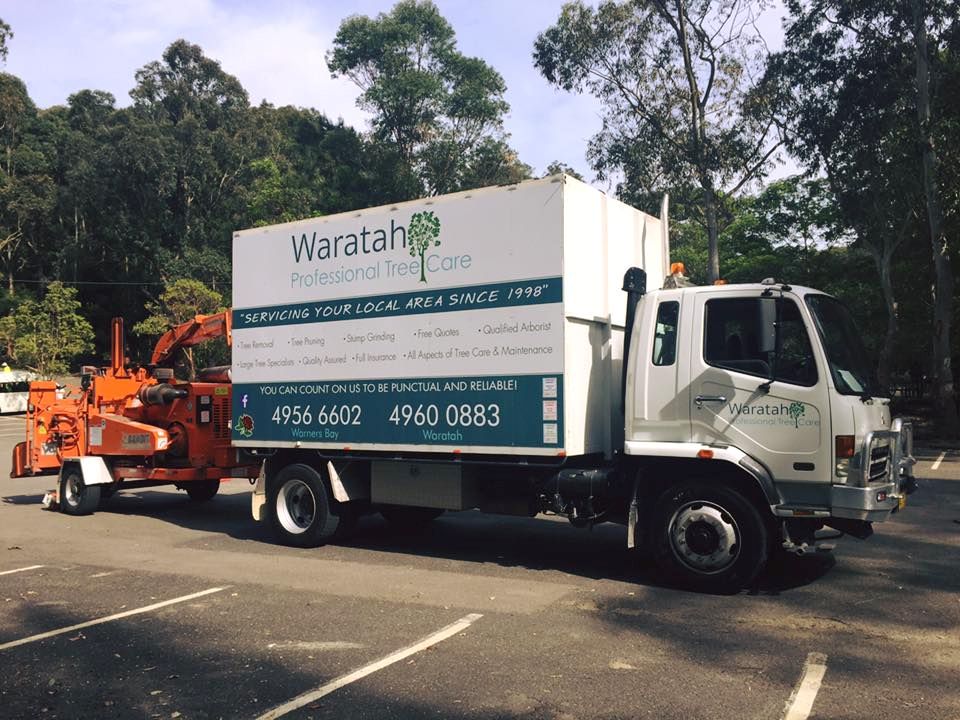
Have You Encountered One of These Problematic Trees on Your Property?
Steven Brown and the Waratah team specialise in the effective removal of troublesome trees across Newcastle, Lake Macquarie, Maitland, and Port Stephens on a weekly basis.
Contact us at 0414 706 653 for a no-obligation quote, or arrange an onsite consultation with our certified arborists, starting from £110.
A note on weed declarations: Under the NSW Biosecurity Act 2015, several trees listed in this article are designated as Regionally Controlled Weeds, requiring landowners to actively manage them. This obligation is separate from council tree permit requirements — you may need both a weed management plan and approval for removal. If you are unsure about your obligations, we can provide guidance during a consultation.
Common Questions Regarding Tree Removal Services
Q: Is council approval necessary for tree removal in Newcastle?
A: In most instances, yes — even for declared weeds such as Privet and Camphor Laurel. The City of Newcastle and numerous local councils in the Hunter Region require a permit for the removal of trees above a certain size. We can offer advice during a consultation to ensure compliance with local regulations.
Q: Can I remove a problematic tree by myself?
A: For smaller trees, it may be feasible to undertake removal yourself. However, for established trees — particularly Camphor Laurel, Yucca, or Cocos Palm — attempting a DIY removal often results in more complications than solutions. Camphor Laurel can grow back aggressively from improperly handled roots, while Yucca can sprout from any residual material left in the soil. Furthermore, removing a palm at height poses genuine safety risks without the appropriate equipment and expertise.
Q: What is the average cost for removing one of these trees?
A: Costs vary based on factors such as size, accessibility, and complexity of the removal process. For example, removing a fully grown Cocos Palm involves a vastly different procedure compared to a young Manchurian Pear. We offer obligation-free quotes — feel free to call 0414 706 653 or use our contact form for further information regarding pricing.
Q: My neighbour has one of these trees, and it is impacting my property. What actions can I take?
A: Under common law, you have the right to trim branches and roots back to your property line. Beyond that, the Trees (Disputes Between Neighbours) Act 2006 (NSW) outlines a formal process if a tree causes damage or poses a risk. An assessment conducted by an arborist is often the most effective first step in addressing these issues and determining the best course of action.
Q: Is Privet truly that harmful for hay fever sufferers?
A: Absolutely. The pollen from Ligustrum lucidum is among the most significant allergenic tree pollens in the Hunter Region. During spring, the Newcastle and Hunter Valley airshed experiences heightened pollen counts due to Privet. If anyone in your household suffers from seasonal hay fever, the presence of a mature Privet tree on or near your property should be taken seriously for health reasons, as it can exacerbate allergy symptoms.
The Article: The 6 Trees Newcastle Arborists Remove Most Often (And Why) first appeared on https://writebuff.com
The Article Trees Newcastle Arborists Frequently Remove and Their Reasons Was Found On https://limitsofstrategy.com
The Article Trees Newcastle Arborists Remove and Why They Do It found first on https://electroquench.com