Proven Methods to Support Your Pet During Noisy Events
How to Assess Your Pet’s Anxiety Levels for Effective Solutions
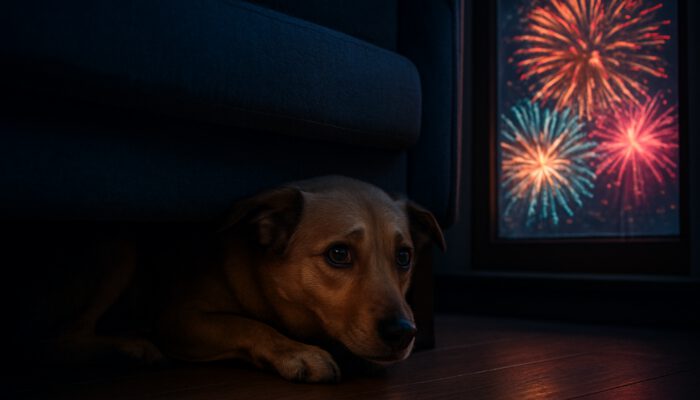
Loud events, particularly during fireworks, can create significant distress for pets. Monitoring your pet’s behaviour in these noisy situations is essential. Look for signs such as hiding, trembling, or excessive barking; these indicators provide invaluable insights into the extent of their anxiety. Recognising these behaviours is crucial for developing effective strategies tailored to your pet’s unique emotional needs.
Gaining a clear understanding of your pet’s anxiety levels is vital for constructing a successful coping plan. For instance, a pet that flinches at loud sounds may require a different approach compared to one that freezes in fear. By observing their reactions over time, you can create a more personalised strategy to help your pet manage anxiety during stressful situations.
How to Choose Comfort Items That Soothe Your Pet
Selecting suitable comfort items is essential in alleviating your pet’s distress during loud events. Familiar possessions, such as beloved blankets, favourite toys, or even an article of your clothing, can instil a sense of safety and comfort. It is vital to choose items that evoke feelings of security for your pet, as these can greatly help diminish their anxiety during unsettling times.
Before the noisy event, take the time to experiment with various comfort items to determine which ones have the most calming effect on your pet. Pay close attention to their responses; the goal is to identify which items soothe them without adding to their stress. Although this may involve some trial and error, it is a worthwhile investment in ensuring your pet feels secure amidst the chaos of loud noises.
What Should You Consider When Selecting Anxiety-Relief Products?
When choosing products to assist your pet in managing firework phobia, it is important to adopt a gradual approach. Begin with low-volume recordings of fireworks, slowly increasing the volume while observing your pet’s reactions. This technique, known as desensitization, helps build tolerance without overwhelming your pet with fear.
The advantages of this gradual exposure technique include:
- Reduced sensitivity to loud noises over time.
- Increased comfort levels during actual events.
- A strengthened bond between pet and owner through positive reinforcement techniques.
- Enhanced ability to cope with various stressors beyond just fireworks.
By employing this gradual exposure method, you help nurture a more resilient pet capable of managing unexpected sounds with greater ease.
What Initial Actions Should You Take to Support Your Pet?
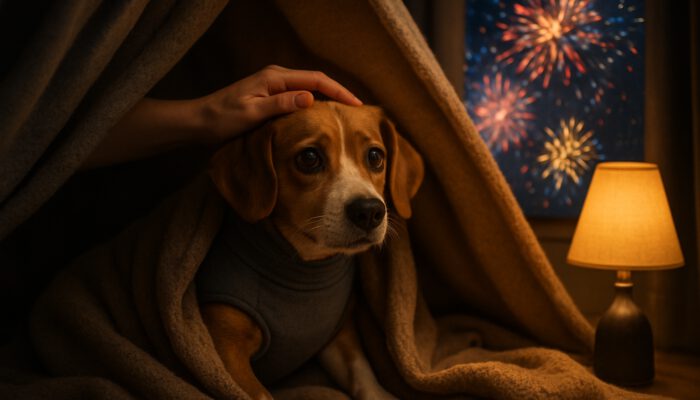
How to Create a Safe Space for Your Pet
Establishing a secure haven for your pet during loud events is vital for their emotional well-being. Choose a room that is away from windows and external noise, outfitted with familiar bedding and soft lighting to promote relaxation. This designated area should feel safe and welcoming, providing your pet with a refuge when their anxiety heightens.
To enhance this safe space, restrict access to other household members during noisy events. Reducing external distractions can significantly help your pet feel more at ease, as they will not be overwhelmed by the commotion outside. Incorporating calming scents, such as lavender, can also foster relaxation in this specially designated area.
Why Is Early Consultation with a Veterinarian Crucial?
Scheduling an appointment with your veterinarian is an essential step in managing your pet’s anxiety during fireworks. A thorough examination can help identify any underlying health issues that may exacerbate their reactions. Discuss potential solutions tailored to your pet’s age, breed, and temperament to ensure the most effective anxiety management strategies are implemented.
Veterinarians can recommend specific behavioural therapies or medications that may be beneficial for your pet. Seeking professional guidance early allows for a more comprehensive approach to managing your pet’s anxiety, ultimately leading to better long-term outcomes. Collaborate with professionals who possess a deep understanding of animal behaviour and can offer personalised advice tailored to your circumstances.
How to Assess Calming Aids in a Controlled Environment
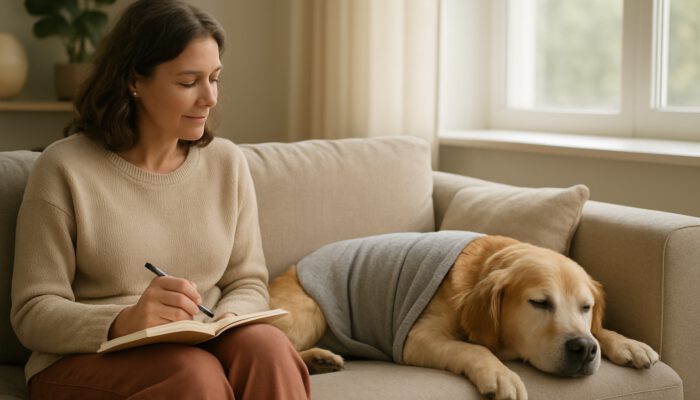
Before introducing calming products such as diffusers or wraps, it is vital to test them in a calm, stress-free environment. This allows you to observe how your pet reacts to these aids without the added pressure of loud noises. Monitor their responses over several days to confirm compatibility and adjust usage based on the benefits observed.
Keeping track of your pet’s behaviour during these testing phases can help identify the most effective calming aids. For instance, if a calming wrap shows positive results during quiet times, it may also prove advantageous during fireworks. Maintaining detailed notes on their reactions will assist you in finding the best solutions tailored to your pet’s individual needs.
Research-Backed Benefits of Addressing Firework Phobia in Pets
Expert Insights on Behavioural Improvements
Establishing consistent routines has been proven to significantly diminish fear responses in pets. Experts recommend maintaining a structured environment to help pets feel secure, especially during stressful events like fireworks. Real-world case studies illustrate that pets exposed to consistent routines exhibit increased confidence and lower levels of anxiety.
For example, a dog adhering to a predictable daily schedule is less likely to panic during fireworks than one with an erratic routine. This structured approach not only assists pets in coping better but also nurtures a sense of security and predictability, both of which are vital for their emotional health.
Reviewing Scientific Evidence on Treatment Efficacy
Numerous scientific studies have examined the effectiveness of various interventions for pet anxiety, particularly concerning loud noises. Research highlights the success rates of techniques such as desensitization training, behavioural therapies, and calming aids. These studies consistently underscore long-term benefits, including reduced cortisol levels and improved overall well-being.
One notable study revealed that pets participating in structured desensitization training experienced a marked decrease in anxiety-related behaviours during fireworks. This evidence highlights the importance of employing research-supported strategies to help pets manage their fears, ultimately leading to a happier and healthier life for your furry companions.
Assessing the Effectiveness of Different Intervention Types
When tackling firework phobia in pets, evaluating the pros and cons of various intervention types is essential. Training methods, such as desensitization, can be highly effective but often require a substantial time commitment. In contrast, calming aids like pheromone diffusers or anxiety wraps may provide immediate relief but might not address the underlying causes of anxiety.
Combining different strategies can yield the highest success rates across varied pet populations. For instance, using a calming aid alongside a structured training programme can offer both immediate comfort and long-lasting behavioural changes. This comprehensive approach ensures that your pet receives holistic support tailored to their specific needs.
How Does Desensitization Training Enhance Your Pet’s Coping Mechanisms?
Fostering Tolerance Through Controlled Sound Experiences
Desensitization is a reliable method for assisting pets in coping with firework phobia. Begin by exposing your pet to very low levels of fireworks while associating the experience with positive rewards, such as treats or praise. Gradually increase the duration and intensity of these exposure sessions as your pet becomes more accustomed to the sounds.
This technique fosters lasting resilience against unexpected noises. Over time, your pet will begin to associate the sounds of fireworks with positive experiences instead of fear. The key is to proceed at a pace that is comfortable for your pet, ensuring they feel secure throughout the entire process.
What Signs Indicate Progress in Desensitization Training?
During desensitization training, it is crucial to look for signs of progress in your pet. Observe for relaxed body language, such as a wagging tail or calm posture, which indicates they are becoming more comfortable with the sounds. Voluntary engagement during exposure sessions, such as seeking treats or playing, also signifies positive advancement.
Celebrating small achievements along the way reinforces these positive associations. Acknowledging your pet’s successes helps maintain their motivation throughout the training process, ensuring they continue to build resilience in the face of loud noises.
Avoiding Common Mistakes During Training Sessions
When implementing desensitization techniques, it is important to avoid common pitfalls that could hinder progress. Forcing interactions or rushing your pet can lead to setbacks and increased anxiety. Focus on gradual exposure and allow your pet to dictate the pace of their training experience.
If setbacks occur, take proactive measures to reset the process. This may involve returning to earlier stages of training or adjusting the intensity of exposure sessions. Keeping detailed records of each training session can help you identify trends and make necessary adjustments for optimal results.
Expert Recommendations for Managing Firework Phobia in Pets
Advanced Techniques for Addressing Anxiety
Integrating multiple methods can be particularly effective when addressing complex cases of firework phobia. Experts advocate for a customised plan that combines behavioural training, calming aids, and environmental modifications. Real-world examples demonstrate how these tailored strategies often outperform generic solutions.
For instance, a pet owner who combined desensitization training with a calming wrap noticed significant improvements in their dog’s anxiety during fireworks. This suggests that a multifaceted approach can provide comprehensive support, addressing both the immediate and long-term needs of pets suffering from firework phobia.
Evaluating the Long-Term Impact of Anxiety Management Solutions
Assessing sustained improvements after consistently applying firework phobia solutions is vital for understanding their effectiveness. Long-term studies reveal that pets receiving ongoing support experience reduced anxiety levels and enhanced coping abilities over time. Key success factors include the consistency of training and the pet’s individual temperament.
To prevent regressions, it is crucial to maintain a routine and continually reinforce positive behaviours after initial progress. Regularly assessing your pet’s reactions to various stimuli in changing environments can help ensure they remain resilient to noise-related stressors.
Integrating Anxiety Management Strategies into Daily Life
Seamlessly incorporating firework phobia solutions into your pet’s daily routine can improve adherence to the strategies you implement. For example, using calming aids during regular activities can help them acclimatise to these tools. This gradual integration fosters a sense of normalcy and comfort for your pet.
Take actionable steps, such as scheduling specific times for training sessions and consistently utilising calming aids during daily routines. Observing your pet’s responses and adjusting your approach based on ongoing feedback will refine your strategies for better outcomes.
Collaborating with Veterinary Professionals for Optimal Support
Partnering with veterinary professionals can provide valuable insights into managing severe firework phobias in pets. These experts can recommend appropriate medical interventions, such as anxiety medications, and help determine the right moment to seek specialised assistance. Real-world case studies emphasise the importance of collaboration between pet owners and veterinarians in effectively managing anxiety.
For example, a veterinarian may suggest a combination of behavioural therapy and medication for a pet with severe anxiety issues. This tailored approach ensures that pets receive the most effective treatment options available, ultimately enhancing their quality of life.
What Natural Remedies Can Help Pets with Anxiety?
Exploring Herbal and Aromatherapy Solutions
Natural remedies can provide additional support for pets experiencing firework phobia. Herbal options such as chamomile and valerian root are known for their gentle calming effects. When considering these remedies, it is essential to research safe botanicals and confirm their suitability with a professional before including them in your pet’s regimen.
Aromatherapy can also play a beneficial role; scents like lavender and cedarwood can create a calming atmosphere. Using essential oil diffusers or sprays can promote relaxation without relying on pharmaceuticals. Always observe your pet’s reactions to these remedies to ensure they are well-tolerated and effective.
Understanding the Influence of Diet on Pet Calmness
Nutrition plays a crucial role in your pet’s overall nervous system health and stress response. Adjusting their diet can help lower anxiety levels and enhance their well-being. Incorporate ingredients rich in omega-3 fatty acids, such as fish oil, and consider adding calming supplements that contain L-theanine or tryptophan to their meals.
It is equally important to avoid stimulants such as caffeine and high-sugar foods, as these can increase sensitivity to stressful situations. A well-balanced diet tailored to your pet’s specific needs can greatly improve their ability to manage anxiety-inducing events, such as fireworks.
Combining Natural Remedies for Enhanced Effectiveness
Layering complementary approaches can maximise the effectiveness of natural remedies for firework phobia. For instance, combining calming scents with sound therapy can create a holistic strategy for managing anxiety. As you implement these strategies, closely monitor interactions to ensure they work in harmony without causing adverse effects.
Tracking your pet’s responses to these combined remedies is essential. You may need to make adjustments to find the most effective combination that promotes calmness and alleviates anxiety during stressful events. This careful, attentive approach can lead to improved outcomes for your beloved pet.
Incorporating Physical Activities for Natural Stress Relief
Engaging in low-impact physical activities can naturally relieve stress for pets experiencing firework phobia. Activities such as leisurely walks in nature or gentle stretching routines not only provide mental stimulation but also encourage relaxation. Regular movement improves physical health and contributes to emotional stability in pets.
It’s important to observe your pet’s physical responses during these activities. Look for signs of relaxation and enjoyment, as these will indicate the effectiveness of the practices. Consistent engagement in these routines can yield lasting improvements in your pet’s overall mental calmness and emotional well-being.
Recognising the Importance of Quality Sleep for Emotional Stability
Establishing proper sleep hygiene is crucial for your pet’s recovery from anxiety and overall emotional stability. Consistent sleep patterns can significantly enhance their ability to manage stress. Create a tranquil sleeping environment by minimising noise and light disturbances, which can help your pet achieve uninterrupted rest cycles.
Incorporating natural aids, such as herbal teas or calming music, can further support relaxation before bedtime. Avoiding screens and stimulating activities close to sleep time can create a more restful atmosphere. By prioritising sleep hygiene, you can greatly enhance your pet’s overall mental health and resilience.
Tracking Your Pet’s Progress Over Time
Maintaining Comprehensive Reaction Journals
Keeping a detailed reaction journal can provide valuable insights into your pet’s progress in managing firework phobia. Documenting dates, intensities, and specific responses to various stimuli allows you to identify patterns and monitor improvements over time. This information is crucial for refining your strategies and celebrating milestones achieved through consistent efforts.
Regularly reviewing your journal can help you adjust your approach based on observed behaviours. For example, if certain triggers lead to heightened anxiety, you can modify your training sessions or introduce new calming aids to effectively tackle those challenges.
Modifying Plans Based on Observations and Feedback
Frequent reviews of your reaction journal are essential for adapting your plans as your pet’s needs evolve. As your pet ages or their circumstances change, their responses to various stimuli may also shift. Remaining flexible and integrating new insights into your training approach can enhance the effectiveness of your strategies.
If you find that specific methods are no longer yielding positive results, do not hesitate to explore new techniques or consult with professionals for guidance. Tailoring your approach based on ongoing feedback ensures that your pet receives the most suitable support for their continued development.
When Is It Time to Seek Further Professional Help for Your Pet?
Recognising the appropriate time to seek additional professional assistance is crucial for effectively managing your pet’s firework phobia. If you observe persistent issues that require specialised intervention beyond basic strategies, it may be time to consult a veterinarian or a certified animal behaviourist.
The key benefits of consulting specialists include:
- Access to advanced behavioural therapies designed for specific needs.
- Personalised treatment plans tailored to your pet’s unique requirements.
- Expert guidance on medication options if necessary.
- Support in identifying and addressing underlying health issues that may contribute to anxiety.
Seeking professional assistance can provide comprehensive solutions, facilitating lasting improvements in your pet’s well-being and overall quality of life.
Common Inquiries About Pet Firework Phobia
What constitutes firework phobia in pets?
Firework phobia in pets refers to an intense fear or anxiety that animals experience during loud noises, particularly fireworks. This condition can manifest through behaviours such as trembling, hiding, or excessive barking.
How can I tell if my pet suffers from firework phobia?
Signs of firework phobia include hiding, trembling, excessive barking, or engaging in destructive behaviour during fireworks. Observing your pet’s reactions during loud events can help assess their anxiety levels.
What immediate actions can help soothe my pet during fireworks?
Immediate measures include creating a quiet retreat area, using calming aids like wraps or pheromone diffusers, and providing comfort items that your pet associates with safety and security.
Is it possible to train my pet to overcome firework phobia?
Yes, desensitization training can assist pets in overcoming firework phobia. Gradually exposing them to low-volume recordings of fireworks while pairing this exposure with positive reinforcement can help build their tolerance.
Are there natural remedies available for firework phobia?
Natural remedies include herbal supplements, calming scents like lavender, and dietary adjustments that support nervous system health. Always consult a veterinarian before introducing new remedies into your pet’s routine.
How can I create a safe space for my pet during fireworks?
Designate a quiet room away from windows, furnished with familiar bedding and comforting items. Limiting access to other household members can minimise disturbances during fireworks.
What role does nutrition play in managing pet anxiety?
Proper nutrition supports nervous system health and can help alleviate anxiety. Foods rich in omega-3 fatty acids and calming supplements can significantly enhance your pet’s overall well-being.
When should I consult a veterinarian about my pet’s anxiety?
Consult a veterinarian if your pet’s anxiety persists despite employing basic strategies. They can provide personalised treatment options and help rule out underlying health issues.
How long does it typically take to notice improvements in my pet’s anxiety?
Improvements can vary based on individual pets and the methods employed. Consistent application of strategies can lead to noticeable changes within weeks to months.
What should I do if my pet experiences a setback during training?
If your pet encounters a setback, revert to earlier stages of training, lessen exposure intensity, and adjust your approach based on their reactions. Keeping a detailed record can help identify effective strategies.
Visit Our Facebook Profile for More Insights and Tips!
The Article Firework Phobia Solutions For Pets: Safe And Effective Tips First Published On https://elgatoencasa.com
The Article Firework Phobia Solutions for Pets: Safe Tips for Comfort Was Found On https://limitsofstrategy.com
The Article Firework Phobia Solutions for Pets: Comforting Strategies found first on https://electroquench.com