Comprehensive Guide to Debt Assistance Options Available in the UK
What Types of Services Are Offered Through Free Debt Assistance in the UK?
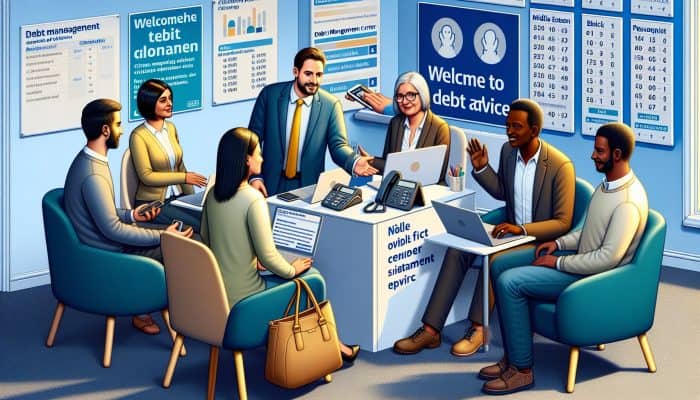
When investigating free debt assistance options available in the UK, individuals can access a diverse range of services provided by reputable government-supported organisations and charitable institutions, including Citizens Advice and StepChange. These organisations play a crucial role in offering vital support and guidance for those navigating financial hardship, thereby making invaluable resources accessible to anyone in need of assistance. Those seeking help can easily connect with these services through a variety of channels, including phone consultations, online platforms, or in-person meetings, ensuring that support is readily available to everyone, irrespective of their geographical location.
To qualify for these supportive services, individuals typically need to provide evidence of their financial difficulties; however, these organisations have made their access points straightforward and welcoming, encouraging those grappling with debt challenges to reach out for help. For instance, Citizens Advice operates numerous local offices throughout the UK, staffed by trained advisors who are dedicated to guiding individuals through their debt-related concerns. This immediate support can significantly impact an individual's financial journey, equipping them with the essential tools required to regain control over their financial situation.
How Can You Differentiate Between Free and Paid Debt Solutions?
The distinctions between free and paid debt solutions in the UK are quite pronounced. Free services typically comprise non-profit entities that provide their assistance at no charge, funded by donations and government support. In contrast, paid solutions often come with fees for the professional expertise and bespoke services provided by financial advisors or debt management firms.
For example, a charity might offer a debt management plan at no cost, while a private company may impose fees for a similar service, often justifying these charges by highlighting their tailored approach. The regulatory frameworks governing these services ensure that clients are well-informed about the implications of their choices, empowering them to make educated decisions regarding their financial futures and encouraging them to seek the most suitable option for their circumstances.
What Common Challenges Do Individuals with Debt Encounter in the UK?
Individuals dealing with debt in the UK frequently face a wide array of challenges that complicate their financial situations. The economic environment is often characterised by high interest rates on credit products, combined with relentless pressure from creditors to make repayments. These factors can heighten feelings of stress and overwhelm among those struggling with debt, making it increasingly difficult to manage their financial obligations effectively.
- High-interest rates associated with loans and credit cards
- Intense pressure from creditors and debt collection agencies
- Limited access to essential financial education resources
- Risk of legal action for unpaid debts
- Difficulty in securing additional credit due to poor credit ratings
- Emotional distress and its implications on mental health
- Potential consequences of bankruptcy
- Job loss or reduced income affecting repayment abilities
These challenges not only hinder effective management of existing debts but also create a self-perpetuating cycle of borrowing that can be exceedingly difficult to escape. Recognising these difficulties is a crucial first step toward obtaining the necessary assistance and support to initiate positive change in one’s financial circumstances.
What Are the Key Benefits of Seeking Professional Debt Advice in the UK?

Engaging with professional debt advice in the UK can yield significant benefits for those grappling with financial difficulties. Expert guidance provided by certified advisors can lead to personalised solutions tailored to individual circumstances, enhancing overall financial stability and significantly alleviating stress levels. These advisors are trained to conduct thorough assessments of each individual's situation and provide insights that may not be immediately apparent to them, thus facilitating better decision-making.
Success stories from organisations like StepChange illustrate the positive outcomes that can arise from professional intervention. Numerous clients not only resolve their immediate debt issues but also report long-term improvements in their credit scores and overall financial health. For example, individuals who adhere to structured debt management plans tend to be better positioned to make informed financial decisions in the future, thereby ensuring sustained financial wellness and stability.
How Does Free Debt Assistance Operate in the UK?
The Process for Accessing Free Debt Advice
Obtaining free debt advice in the UK involves a straightforward process prioritising confidentiality and efficiency. Individuals experiencing financial distress can initiate contact with well-established charities such as Citizens Advice or StepChange. Typically, the first step involves reaching out via phone, in person, or through online platforms, where an initial evaluation of their debt circumstances occurs.
Once contact is established, advisors undertake a comprehensive evaluation of the individual's financial situation, including income, expenses, and outstanding debts. This thorough process guarantees that the advice provided is tailored to the individual’s specific needs, facilitating a rapid path to potential solutions. Additionally, individuals can utilise various online tools that provide immediate insights into their financial health, simplifying the understanding of their circumstances and available options for assistance.
Why Might Free Help Not Be Sufficient for Everyone?

While free debt assistance is immensely beneficial, it may not sufficiently address the needs of every individual. Limitations frequently arise due to the less personalised support available, as charities often manage numerous clients simultaneously. Many of these organisations operate with limited resources, which can restrict the depth of one-on-one guidance provided to individuals facing complex financial situations.
For instance, statistics indicate that those with intricate debt scenarios, such as multiple creditors or significant legal issues, may find that free services do not offer the intensive support required. In such cases, seeking paid professionals who provide tailored services may become essential for effectively and efficiently navigating complicated debt landscapes and achieving lasting solutions.
What Are the Advantages of Non-Paid Debt Management Services?
One of the primary advantages of non-paid debt management services is the financial savings they offer. UK initiatives ensure that individuals can access crucial debt advice without incurring additional financial pressures. By utilising these services, individuals can maintain their financial integrity while actively addressing their outstanding debts.
Moreover, unpaid options frequently foster a sense of community and support, which can motivate those struggling with debt to take action. Accessibility remains a key factor for UK residents, as many are more inclined to seek help when they know that financial assistance is available free of charge. This approach lays the groundwork for long-term financial stability and cultivates healthier spending habits, ultimately leading to improved overall financial health.
Expert Insights on Free UK Debt Assistance Versus Paid Debt Solutions
Evaluating the Success Rates of Free Debt Assistance Services
Evaluating the effectiveness of free debt assistance services in the UK reveals a landscape with varying success rates. Reports from debt charities provide insights into the outcomes for those who have utilised free services, often indicating significant improvements in clients’ financial situations. For instance, a substantial percentage of individuals who engaged with organisations like StepChange reported successfully adhering to manageable repayment plans and ultimately resolving their debt concerns.
Notably, common forms of debt, such as credit card debt and personal loans, demonstrate impressive success rates when individuals engage with free services early in their financial struggles. The proactive approach adopted by these organisations facilitates better recovery outcomes and empowers clients to take charge of their financial futures, thereby fostering a greater sense of financial independence.
Is Free Debt Assistance Adequate for Complex Debt Issues?
Free debt assistance can serve as an initial point of contact; however, it may not always be suitable for individuals dealing with complex debt challenges. Assessing personal circumstances is vital; those with multiple debts or intricate financial situations may require specialised support that free services might fail to provide effectively. For example, individuals facing significant tax debts or ongoing legal matters may find that the scope of free options limits their ability to obtain essential protection or advice.
In these circumstances, pursuing professional paid services can offer the expertise needed to successfully navigate a multifaceted debt landscape. By carefully evaluating their financial position and recognising when to transition to paid support, individuals can achieve more favourable long-term outcomes and regain control over their financial circumstances.
What Are the Key Benefits of Professional Paid Services?
Professional paid services deliver numerous advantages, particularly when personalised support is crucial. Foremost among these benefits is the provision of tailored plans that consider each client’s unique financial landscape. The depth of analysis and custom strategies can significantly enhance effective debt management, leading to improved financial outcomes.
- Access to specialised expertise in complex debt scenarios
- Higher likelihood of achieving timely resolutions
- Comprehensive financial assessments customised to individual needs
- Detailed monitoring and ongoing support throughout the debt resolution process
These advantages position paid services as an appealing choice for many individuals, especially those overwhelmed by their current financial responsibilities and eager to regain control of their financial future.
What Are the Major Benefits of Investing in Paid Debt Solutions?
How Do Paid Services Accelerate Debt Resolution?
Paid debt services are often distinguished by their ability to expedite debt resolution for clients. Through regulated firms, individuals can access structured debt management plans that outline a clear trajectory toward achieving debt freedom. Unlike free services, paid options typically deliver quicker outcomes by employing specialised skills and resources to negotiate with creditors on behalf of clients.
For instance, individuals who engage paid services may resolve their debts more rapidly due to the assertive strategies implemented by professionals who understand the complexities of debt negotiation. This efficiency can provide significant relief for individuals anxious about their financial circumstances, facilitating a quicker journey toward financial independence and peace of mind.
Why Should One Opt for Paid Help Instead of Free Alternatives?
Choosing paid assistance over free alternatives can be justified in certain situations, particularly when the complexity of one’s debt necessitates a more comprehensive approach. For individuals struggling with substantial debt or unresolved issues with creditors, the additional expertise of paid advisors may prove invaluable in navigating their unique challenges.
Practical steps for decision-making include evaluating the types of debt involved, considering personal financial objectives, and assessing the urgency of the situation. If a debtor finds themselves in a position where free advice is insufficient, investing in paid assistance can yield more effective debt management solutions that align with their specific needs and circumstances.
What Are the Potential Drawbacks of Investing in Paid Debt Solutions?
While the benefits of investing in paid debt solutions are clear, potential drawbacks warrant careful consideration. Additional fees associated with professional services can pose challenges, particularly for individuals already facing financial difficulties. Regulatory frameworks in the UK aim to protect consumers from exploitative practices; however, it is essential to remain vigilant regarding associated costs.
Real-world examples illustrate that some individuals have encountered unexpected financial burdens due to undisclosed fees or unclear contracts. Therefore, it is crucial for clients to thoroughly comprehend the terms of engagement and assess their financial capabilities before committing to paid options, thereby avoiding any unwelcome surprises.
Research-Backed Benefits of Free UK Debt Assistance
What Evidence Supports the Effectiveness of Free Debt Advice?
Research consistently demonstrates that free debt advice can have a positive impact on financial health in the UK. Studies conducted by various debt charities highlight several critical findings: individuals who received free debt assistance reported improved financial outcomes, enhanced budgeting skills, and greater clarity regarding their financial situations.
- Reduction in personal debt levels
- Increased ability to manage monthly expenses
- Improved mental well-being
- Higher success rates of debt repayment plans
These findings reinforce the notion that free debt assistance can play a pivotal role in transforming individuals’ financial lives, especially during periods of economic uncertainty and personal financial strain.
How Does Free Assistance Foster Long-Term Financial Habits?
Free debt assistance addresses immediate financial concerns while also promoting long-term financial habits that enhance overall financial literacy. The educational resources offered by UK charities focus on imparting essential knowledge about budgeting, saving, and responsible borrowing. These programmes emphasise behavioural modifications that lead to sustainable financial management practices.
Individuals who engage with free services frequently report a newfound understanding of their financial behaviours, which can translate into improved decision-making in the future. This emphasis on education offers enduring benefits that extend beyond mere debt resolution, fostering a culture of financial responsibility and empowerment.
When Are Free Options More Effective than Paid Services?
Free debt options can often exceed paid solutions, particularly when accessibility is a primary concern. Reports from the UK suggest that many individuals feel more comfortable seeking initial support from free services, allowing them to address their financial challenges without the added stress of incurring costs.
To maximise the benefits of free resources, individuals should actively participate in all available financial education programmes and workshops. By leveraging these tools, clients can deepen their understanding of financial management, empowering them to make informed decisions that promote lasting financial stability and resilience.
What Are the Long-Term Economic Advantages of Free Debt Assistance?
UK studies indicate that free debt assistance provides substantial long-term economic benefits, including reduced household debt and increased savings. By effectively addressing individual financial challenges, free debt assistance contributes to greater resilience within the broader economy. This, in turn, can lead to lower bankruptcy rates and enhance contributions to the national GDP.
Economists in Britain have underscored how widespread adoption of free debt assistance services can catalyse economic growth by empowering individuals to reclaim control over their finances. As households work towards reducing their debt burdens, the positive ripple effects extend throughout local communities, fostering overall economic well-being and stability.
Is Investing in Paid Debt Assistance Worthwhile?
What Factors Influence the Value of Paid Debt Solutions?
Numerous factors shape the perceived value of paid debt solutions in the UK. The complexity of an individual's debt situation is paramount, as those facing multifaceted financial challenges may derive greater value from the expertise of paid professionals. Moreover, the urgency of the situation can significantly impact the cost-benefit analysis.
While paid services typically incur fees, the potential for rapid resolution and customised strategies can justify the investment for many clients. Evaluating the long-term effects of debt management decisions is crucial, as the cost of inaction can far exceed the expense of obtaining professional assistance that can lead to a more secure financial future.
What Makes Paid Debt Assistance Appealing to Certain Individuals?
Paid debt assistance often attracts individuals due to the tailored support it provides. Those encountering complex financial challenges may feel overwhelmed and uncertain, making expert guidance essential in navigating their circumstances. Success stories from UK clients frequently highlight how paid services offered bespoke strategies that directly addressed their specific debt scenarios.
Furthermore, the assurance that professionals understand the intricacies of debt negotiation can instil confidence in clients. The combination of expertise, support, and a strategic approach makes paid assistance a viable option for those seeking to regain control of their financial circumstances and achieve lasting stability.
Are There Hidden Costs Associated with Paid Debt Solutions?
Despite the advantages of paid debt solutions, clients must remain cognisant of potential hidden costs. Fees can vary significantly among providers, with some firms imposing charges that may not be clearly communicated upfront. Clients could encounter additional expenses for services such as establishing payment plans or ongoing debt management.
Real-world instances illustrate that individuals have faced unexpected financial burdens due to a lack of transparency regarding fees. Therefore, clients should meticulously review all agreements and inquire about any potential costs before engaging a paid service to avoid unwelcome surprises and ensure they are making informed financial decisions.
How to Choose the Most Suitable Debt Solution in the UK
What Steps Should You Take to Decide Between Free and Paid Assistance?
Determining whether to pursue free or paid debt assistance requires careful evaluation of individual circumstances. Begin by assessing your current financial situation, including total debts, monthly income, and expenses. Identify how urgent your debt issues are, as immediate needs might necessitate a quicker, paid solution.
Next, consider the complexity of your debts. If you are confronted with multiple creditors or intricate financial arrangements, paid assistance may provide the specialised expertise needed to effectively navigate these challenges. Finally, evaluate the importance of personal support against the costs involved to make a more informed decision regarding which path to take for your financial wellbeing.
How Can You Combine Both Free and Paid Support for Optimal Results?
Utilising a hybrid approach that incorporates both free and paid support can optimise outcomes for those experiencing debt. By integrating both forms of assistance, individuals can benefit from the initial guidance offered by free services while accessing specialised support when necessary.
Practically, this might involve starting with a free debt advice session to gain insights into one’s financial situation, followed by hiring a paid professional for customised strategies tailored to their unique circumstances. Such a combined approach can significantly enhance the effectiveness of debt management, providing a comprehensive solution to financial challenges and fostering a greater sense of control over one’s financial future.
What Are the Long-Term Outcomes of Different Debt Management Strategies?
The long-term outcomes of debt management choices can vary significantly based on the path taken. Individuals who utilise free services often gain foundational financial education that fosters lasting habits, while those who opt for paid services may achieve quicker debt resolution.
However, maintaining debt freedom requires ongoing commitment and adherence to sound financial practices, irrespective of the initial choice made. Continuous engagement with financial education resources, whether through free or paid avenues, remains crucial for sustaining long-term financial stability and resilience, ensuring individuals can navigate future financial challenges with confidence.
How to Evaluate UK-Specific Debt Options and Regulations?
When exploring debt solutions within the UK, it is paramount to evaluate the available options thoroughly. Solutions such as Individual Voluntary Arrangements (IVAs) and Debt Management Plans (DMPs) must be assessed in accordance with relevant legal frameworks and personal eligibility. Understanding the regulations governing these solutions is vital for ensuring that individuals make informed choices that align with their financial situations and assist in effectively managing their debts.
Conducting thorough research involves reviewing guidance from reputable sources and considering personal circumstances, as this knowledge can significantly enhance decision-making and yield more favourable outcomes. By taking a proactive approach, individuals can effectively address their debt challenges and work towards achieving financial stability and peace of mind.
Frequently Asked Questions Regarding Debt Assistance in the UK
What Types of Free Debt Assistance Are Available in the UK?
Free debt assistance in the UK encompasses services from organisations like Citizens Advice and StepChange, which provide advice on budgeting, debt management plans, and financial education resources at no cost, ensuring accessibility to all.
How Can I Access Free Debt Advice in the UK?
To access free debt advice, individuals can reach out through online platforms, phone consultations, or by visiting local offices of charities such as Citizens Advice, where trained advisors are available to assist with financial concerns.
What Are the Primary Benefits of Paid Debt Solutions?
Paid debt solutions frequently provide personalised support, quicker resolutions, and customised financial strategies, making them appealing to individuals facing complex debt situations requiring expert management.
Are There Hidden Fees Associated with Paid Debt Services?
Yes, some paid debt services may carry hidden fees that are not disclosed upfront. It is vital to review all terms and inquire about potential costs before engagement to avoid any financial surprises.
Can Free Debt Assistance Effectively Improve My Financial Situation?
Absolutely. Many individuals who take advantage of free debt assistance report significant improvements in their financial health, including reduced debt levels and enhanced understanding of financial management practices.
When Should I Consider Paid Debt Services Over Free Options?
Consider paid debt services if you are facing complex financial challenges, require specialised support, or need faster resolutions for urgent debt issues that free services cannot adequately address.
Is It Possible to Combine Free and Paid Debt Assistance for Better Results?
Yes, combining free and paid debt assistance can be advantageous. Starting with free advice can establish a solid foundation, while paid services can provide tailored strategies as needed to enhance financial recovery.
How Do I Know If I Require Professional Debt Assistance?
If you feel overwhelmed by debt, are facing multiple creditors, or are struggling to manage your finances effectively, seeking professional debt assistance may be necessary to regain control over your financial situation.
What Are the Risks Associated with Using Paid Debt Solutions?
Potential risks include incurring additional fees and not receiving the promised level of service. It is crucial to conduct thorough research before committing to any paid debt solution to ensure it aligns with your needs.
How Can I Prevent Falling Back into Debt After Resolving It?
To avoid future debt, engage in ongoing financial education, create a budget, and maintain healthy spending habits, utilising resources from free debt assistance services to guide your financial practices effectively.
Join us on Facebook today!
This Article Was First Found On: https://www.debtconsolidationloans.co.uk
The Article Free UK Debt Help: Comparing Paid Debt Solutions Was Found On https://limitsofstrategy.com