Discover Why San Miguel de Allende Is the Ultimate Destination for Mastering Spanish
San Miguel de Allende is widely recognised as a premier <a href=”https://limitsofstrategy.com/belize-vs-mexico-finding-your-perfect-travel-destination/”>travel destination</a> due to its rich cultural heritage and lively community, both of which are essential for visitors seeking an immersive language-learning experience. This enchanting city serves as an ideal setting for language lovers who desire more than mere traditional classroom instruction. Here, the fusion of culture and language creates a vibrant learning atmosphere.
At FallingInLoveWithSanMiguel, our mission is to provide an extensive Travel Guide for San Miguel de Allende that assists aspiring language learners in attaining fluency in Spanish while simultaneously embracing the local culture. Our dedication ensures clients receive invaluable insights into the top Spanish programmes available throughout the area, enabling them to make informed choices that align with their educational goals.
This comprehensive guide details crucial aspects that shape the Spanish learning experience, which includes:
- The historical development of Spanish schools
- Distinctive features of various Spanish programmes
- Innovative teaching methods utilised in classrooms
- Cultural immersion opportunities available for students
- A range of enrolment and programme options to accommodate all learners
Explore the Rich History of Spanish Schools in San Miguel de Allende
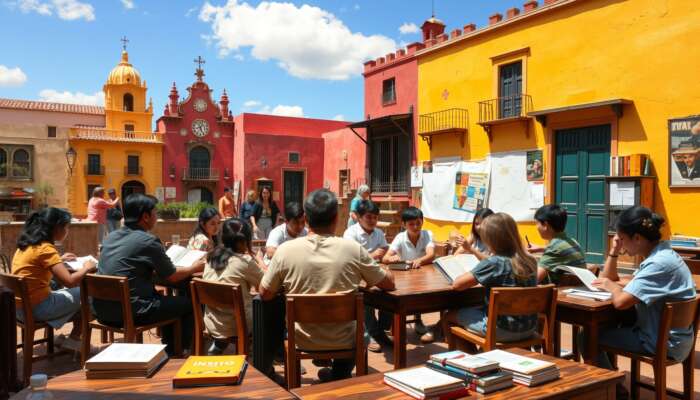
The history of Spanish schools in San Miguel de Allende unveils a narrative of evolution and growth over the decades. The town has developed into a significant hub for expatriates keen to immerse themselves in the local culture. By the mid-20th century, a remarkable increase in language schools was witnessed, where early educators primarily concentrated on grammar drills and rote memorisation, which established the foundation of the educational landscape.
However, a transformative shift occurred towards more interactive and communicative language teaching methodologies. Schools began to incorporate engaging role-playing exercises and conversation clubs, providing students with opportunities to practise their language skills in authentic and realistic contexts. This evolution highlights a commitment to educational innovation, adapting to the varied needs of learners and significantly enhancing their overall educational experience.
What Distinctive Features Define Spanish Programmes in San Miguel de Allende?
The Spanish programmes available in San Miguel de Allende showcase several unique characteristics meticulously designed to elevate learners’ experiences. These programmes offer structured curricula that cater to a broad range of proficiency levels, fostering an interactive and stimulating classroom environment while integrating cultural elements that deepen language comprehension.
Accessibility remains a fundamental principle, ensuring that all learners, regardless of their backgrounds, can fully participate. The significant advantages of these Spanish programmes encompass:
- Tailored learning experiences customised to individual needs
- Small class sizes that promote meaningful interaction among students
- Flexible scheduling options to accommodate various lifestyles
- Real-world practise opportunities through community involvement and activities
What Teaching Methods Are Commonly Utilised in San Miguel de Allende?
In San Miguel de Allende, a variety of teaching methods are employed to enhance language proficiency and adaptability among students. These strategies encompass immersive language experiences combined with technology-assisted learning tools. A widely adopted method by many schools is the Total Physical Response (TPR) technique, where instructors demonstrate actions while articulating the language simultaneously.
This approach significantly aids comprehension and retention of the language. Additionally, task-based learning encourages students to engage in meaningful activities that require authentic language usage. Such techniques are thoughtfully crafted to cultivate communication skills, equipping learners with vital tools necessary for effective interactions in Spanish-speaking environments.
What Cultural Immersion Experiences Can You Expect?

A distinctive aspect of language education in San Miguel de Allende is the strong focus on cultural immersion. Schools actively weave local traditions and activities into their curricula, empowering students to establish a deeper connection with the language. These immersive experiences include cooking classes, dance workshops, and community service initiatives that greatly enhance the learning journey.
Participating in local festivals and events not only enriches the educational experience but also allows students to practise their language skills in real-world contexts while engaging with native speakers. Involvement in these cultural activities significantly bolsters language acquisition and fosters a sense of belonging and community among learners.
What Are the Enrolment Procedures and Programme Varieties Available?
San Miguel de Allende provides a diverse selection of Spanish courses tailored to accommodate the needs of learners across all proficiency levels. The enrolment processes are typically straightforward, often commencing with an initial assessment designed to evaluate language skills and readiness. Schools offer a variety of programme options, including intensive courses, evening classes, and personalised private lessons.
Moreover, personalised support is generally available, with instructors dedicated to assisting students in achieving their specific linguistic ambitions. This learner-centred approach significantly enhances the overall experience of language acquisition, fostering both confidence and competence in effectively utilising Spanish.
How to Select the Ideal Spanish School to Suit Your Needs?
What Essential Factors Should You Evaluate First?
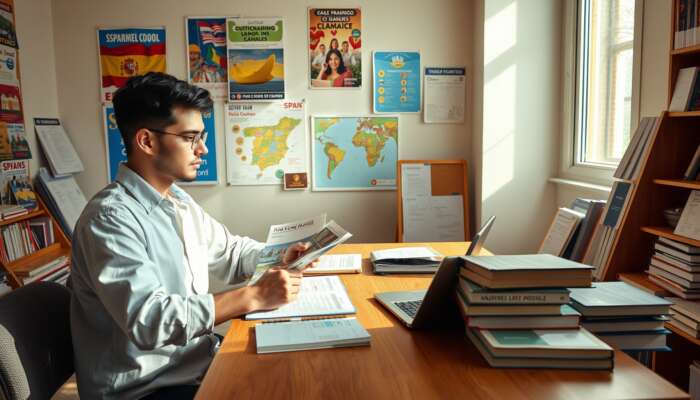
Selecting the right Spanish school necessitates careful consideration of several key factors. The primary criteria include the school’s reputation, the variety of course offerings, and the overall learning environment. Conducting thorough research into testimonials and reviews from past students can provide valuable insights regarding the quality of instruction and the effectiveness of teaching methodologies employed.
It is also crucial to assess whether the curriculum aligns with your personal language goals, whether you wish to achieve conversational fluency, academic proficiency, or any other specific objectives. This multifaceted evaluation approach ensures that learners identify a programme that not only meets their needs but also positions them for success in their language journey.
Why Is It Important to Prioritise Instructor Qualifications?
The qualifications of instructors play a fundamental role in any language programme. Highly qualified teachers bring a wealth of credentials and experience that significantly contribute to positive learning outcomes. Their expertise enables them to design engaging lessons that cater to various learning styles while effectively addressing common challenges faced by students.
Furthermore, instructors with robust backgrounds in pedagogical methods can offer valuable feedback, greatly enhancing students’ mastery of the language. Ultimately, the right educator can inspire confidence and motivation in learners, thereby cultivating a supportive environment conducive to successful language acquisition.
How Does Cost Influence Your Decision-Making Process?
Cost is a significant factor when evaluating Spanish courses. Tuition rates can vary considerably among different schools, influenced by various factors such as location, class size, and the qualifications of the instructors. While affordability is undoubtedly important, it is equally essential to balance cost with the quality of education provided.
Investing in a reputable programme often yields better long-term benefits concerning language proficiency and cultural understanding. Additionally, consider any supplementary expenses, such as materials or extracurricular activities, to gain a comprehensive understanding of your financial commitment.
What Expert Insights Are Available About Spanish Schools in San Miguel de Allende?
What Do Language Experts Recommend Regarding Curriculum Design?
Experts in language education highlight the significance of well-structured curriculums that actively engage students and facilitate effective learning experiences. Successful programmes often incorporate thematic units that connect language skills to real-world contexts, thereby enhancing their relevance and applicability.
Best practices suggest that integrating multimedia resources, including videos and interactive exercises, can significantly bolster learner engagement. Furthermore, emphasising communicative approaches encourages students to participate actively, which improves their retention and fluency in the language.
What Advantages Do Language Specialists Emphasise?
Language specialists identify numerous benefits associated with attending Spanish schools in San Miguel de Allende. A primary advantage is the retention of language skills through immersive experiences, where students actively engage with native speakers and practise their conversational skills in authentic contexts.
Additionally, the integration of cultural elements within the curriculum enhances learners’ understanding and appreciation of the language. Evidence-based recommendations frequently indicate that this combination of language and cultural context not only improves proficiency but also nurtures a deeper emotional connection to the language and its speakers.
What Strategies Are Suggested for Advanced Learners Aiming to Hone Their Skills?
For advanced learners seeking to refine their Spanish skills, experts advocate several targeted strategies. Engaging in conversation clubs or language exchange programmes allows learners to practise speaking in supportive environments, which can aid in building confidence and fluency.
Moreover, consuming authentic materials, such as literature, films, or podcasts, can significantly strengthen listening skills and expand vocabulary. Incorporating these activities into daily routines is crucial for ongoing language development, helping learners maintain motivation and achieve continuous progress.
Research-Backed Benefits of Spanish Schools in San Miguel de Allende
How Do These Programmes Foster Communication Skills?
The Spanish programmes offered in San Miguel de Allende are meticulously designed to enhance communication skills. Research indicates that immersive language environments, where students frequently interact with native speakers, lead to significant improvements in both speaking and listening abilities.
Programs prioritising conversation and practical usage yield noticeable gains in fluency and comprehension. Participation in real-world activities, such as cultural exchanges or local events, further facilitates language retention and application, equipping learners with the necessary skills for effective communication across various contexts.
What Evidence Supports the Link Between Cognitive Development and Language Learning?
Studies consistently demonstrate a strong correlation between language learning and enhanced cognitive abilities. Research suggests that acquiring a second language can increase neuroplasticity, leading to improved memory retention and critical thinking skills.
Bilingual individuals often display superior problem-solving capabilities and greater cognitive flexibility. These cognitive enhancements extend beyond mere language proficiency, positively impacting learners in various aspects of life, including academic achievement and career advancement.
What Methods Exist to Assess Learning Progress?
Monitoring progress in language acquisition is crucial to ensuring effective learning trajectories. Reliable assessment tools can provide valuable insights into a learner’s development. Common methods include:
- Regular quizzes and tests to evaluate retained knowledge
- Oral presentations to assess speaking proficiency
- Writing assignments to measure grammatical and vocabulary skills
- Feedback sessions with instructors for personalised guidance and improvement
What Factors Contribute to the Effectiveness of These Schools?
How Is Student Engagement Encouraged in the Classroom?
Fostering student engagement is critical for successful language acquisition. The Spanish schools in San Miguel de Allende employ various techniques to encourage active participation. Interactive elements, such as group discussions, role-playing scenarios, and collaborative projects, keep students actively involved in their learning journey.
Incorporating gamified learning experiences further enhances motivation, making language practice both enjoyable and fulfilling. Schools that cultivate a welcoming atmosphere, complemented by enthusiastic instructors, often observe higher levels of student engagement, leading to improved retention and proficiency in the language.
Why Are Regular Practice Sessions Essential?
Engaging in regular practice sessions is fundamental to effective language learning. Frequent exposure to the language allows learners to internalise grammar, vocabulary, and pronunciation, thereby establishing a solid foundation for fluency.
Strategies such as conversational practice, writing exercises, and listening drills are vital for developing practical skills applicable in real-world situations. Schools that prioritise these practice opportunities empower students to build confidence in their language abilities.
What Role Does Constructive Feedback Play in Language Development?
Effective feedback is vital for language growth. Constructive feedback highlights areas for improvement while reinforcing strengths, creating a balanced approach to learning. Instructors who provide timely and specific feedback help students navigate challenges and enhance their understanding of complex language concepts.
This iterative learning process, characterised by continuous feedback, empowers learners to take ownership of their educational journey and motivates them to strive for excellence in their language studies.
Advanced Techniques for Achieving Mastery in Spanish
How Can You Effectively Implement Immersion Techniques?
Implementing immersion techniques effectively can lead to substantial advancements in language proficiency. One strategy involves surrounding yourself with the language in daily life, such as adjusting device settings to Spanish or consuming media solely in the target language.
Participating in community events, enrolling in local classes, and joining conversation groups can further enhance immersion. Practising with native speakers, whether through language exchange programmes or informal meetups, allows learners to experience authentic language usage in dynamic contexts.
What Study Habits Are Most Effective for Retaining Language Skills?
Establishing effective study habits is crucial for language retention and mastery. Creating a consistent routine that incorporates daily practice, regular review sessions, and varied learning activities can optimise outcomes.
Techniques such as spaced repetition for vocabulary acquisition and active recall through flashcards can enhance memory retention. Incorporating diverse formats, such as listening to podcasts, reading literature, and engaging in conversation, ensures a well-rounded and effective approach to language learning.
What Strategies Can Help You Overcome Common Language Learning Barriers?
Overcoming challenges in language acquisition requires resilience and strategic approaches. Common obstacles, such as fear of making mistakes or difficulties with pronunciation, can be effectively addressed through practice and supportive environments.
Engaging in low-pressure speaking opportunities, such as language exchange meetups, can significantly build confidence. Setting realistic goals and celebrating small achievements are effective methods for maintaining motivation throughout the learning process.
How Can You Employ Advanced Vocabulary Building Techniques?
Expanding vocabulary is vital for advanced learners. Contextual learning, where new words are encountered in relevant situations, enhances understanding and retention. Using flashcards with spaced repetition aids in memorisation, allowing learners to revisit challenging words at optimal intervals.
Creating thematic word lists related to personal interests or specific goals can provide a practical framework for vocabulary application. Monitoring progress and actively incorporating new vocabulary in conversations will further enhance fluency and language mastery.
Common Questions Regarding Spanish Language Education
Which Are the Leading Spanish Schools in San Miguel de Allende?
A multitude of reputable Spanish schools in San Miguel de Allende are recognised for their high-quality education, personalised instruction, and cultural immersion experiences. Conducting thorough research into each school’s offerings will assist in identifying the best fit for your individual learning objectives.
What Is the Typical Duration Required to Learn Spanish at These Institutions?
The time required to learn Spanish varies based on individual commitment, prior experience, and the intensity of the programme. Many students attain conversational fluency within just a few months of dedicated study.
Are Online Spanish Courses Offered by These Schools?
Yes, several schools provide online Spanish courses, enabling students to learn remotely while benefiting from structured curricula and qualified instructors.
What Is the Average Cost of Spanish Courses in San Miguel de Allende?
The average cost of Spanish courses in San Miguel de Allende varies depending on factors such as the type and duration of the programme, with prices generally ranging from 0 to 0 for intensive courses.
Will I Receive a Certificate Upon Completing a Spanish Course?
Many Spanish schools issue certificates upon course completion, which can be valuable for personal achievements or professional opportunities.
Are Cultural Activities Included in the Spanish Programmes?
Indeed, numerous Spanish programmes incorporate cultural activities, such as cooking classes or local excursions, enriching the learning experience and promoting cultural immersion.
What Age Groups Are Catered To By These Schools?
Spanish schools in San Miguel de Allende typically cater to a wide age range, providing programmes for children, teenagers, and adults, ensuring diverse learning opportunities for all.
Is Prior Knowledge of Spanish Required to Enrol in These Programmes?
Most schools offer courses for various proficiency levels, including complete beginners. Initial assessments help determine the appropriate class placement for students based on their current skills.
What Learning Materials Are Available for Students?
Schools usually provide essential materials, including textbooks, workbooks, and online resources, to facilitate effective learning. Additionally, students are often encouraged to explore supplementary materials to enhance their studies.
How Can I Practise Spanish Beyond the Classroom?
Practising Spanish outside the classroom can involve interacting with native speakers, consuming Spanish media, participating in language exchange programmes, or utilising language learning applications to reinforce and enhance your skills.
The Article: Spanish Schools in San Miguel de Allende: Best Language Programs appeared first on https://fallinginlovewithsanmiguel.com/
The Article Spanish Schools in San Miguel de Allende: Top Language Courses Was Found On https://limitsofstrategy.com
The Article Spanish Schools in San Miguel de Allende: Best Language Classes found first on https://electroquench.com